


Hi, I'm ARLO™ — Ask Me Anything!

 |
Michael G. Branson, CEO of All Reverse Mortgage, Inc., and moderator of ARLO™, has 45 years of experience in mortgage banking, with the past 20 years devoted exclusively to reverse mortgages. A Forbes Real Estate Council member, he developed the industry's first fixed-rate jumbo reverse mortgage and has been featured in Forbes, Kiplinger, the LA Times, and Yahoo Finance. (License: NMLS# 14040) |
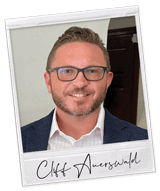 |
Cliff Auerswald, President of All Reverse Mortgage, Inc., and co-creator of ARLO™ — the industry's first real-time reverse mortgage pricing engine — has 27 years of experience in mortgage banking, with 20+ years focused exclusively on reverse mortgages. A recognized expert in reverse mortgage technology and consumer education, he has been featured in Kiplinger, Yahoo Finance, Realtor.com, and HousingWire. (License: NMLS# 14041) |
Reverse Mortgage Eligibility Requirements (2026) – Ask ARLO™
To qualify for a HECM reverse mortgage, you must be 62 or older, live in the home as your primary residence, and have enough equity that the new loan can pay off whatever you still owe. As a rule of thumb, that means about 50–60% equity (less if you are older). You must also complete HUD-approved counseling and pass a financial assessment so you can keep paying taxes and insurance. Jumbo and proprietary programs may accept borrowers at 55 in some states. The 2026 HECM lending limit is $1,249,125.

 Michael G. Branson, CEO of All Reverse Mortgage, Inc. and moderator of ARLO™, has 45 years of experience in mortgage banking, with the past 20 years devoted exclusively to reverse mortgages. A Forbes Real Estate Council member, he has been featured in Forbes, Kiplinger, the LA Times, and Yahoo Finance. (License: NMLS #14040)
Cliff Auerswald, President of All Reverse Mortgage, Inc. and co-creator of ARLO™ — the industry's first real-time reverse mortgage pricing engine — has 27 years of experience in mortgage banking, with 20+ years focused exclusively on reverse mortgages. (License: NMLS #14041)
Michael G. Branson, CEO of All Reverse Mortgage, Inc. and moderator of ARLO™, has 45 years of experience in mortgage banking, with the past 20 years devoted exclusively to reverse mortgages. A Forbes Real Estate Council member, he has been featured in Forbes, Kiplinger, the LA Times, and Yahoo Finance. (License: NMLS #14040)
Cliff Auerswald, President of All Reverse Mortgage, Inc. and co-creator of ARLO™ — the industry's first real-time reverse mortgage pricing engine — has 27 years of experience in mortgage banking, with 20+ years focused exclusively on reverse mortgages. (License: NMLS #14041)
“When someone asks me whether they qualify, what they usually mean is whether there is enough equity in the home. Age and residency are simple yes or no questions. The equity question depends on your age, the home’s value, what you still owe on it, and the interest rates at the time, and it changes as those things change. I cannot answer it in general terms, but I can answer it for you in a few minutes if you give me your age, a rough idea of your home’s value, and your current mortgage balance. There is no obligation and no credit pull for that conversation.” -Michael G. Branson, CEO
Reverse Mortgage Requirements: Three Questions Homeowners Ask First
I still have a mortgage. Can I qualify?
Short answer is maybe. If you are applying for a traditional reverse mortgage, all existing liens on the home must be paid in full at closing, since a traditional reverse mortgage must be the only lien on title. You may also qualify for a proprietary 2nd trust deed reverse mortgage that can go behind your existing mortgage if it meets program guidelines. For traditional reverse mortgage loans, if the proceeds are not enough to pay off your existing mortgage, you would need to bring the difference to closing in cash, or the loan would not move forward.
I am under 62, or my spouse is. What now?
The Home Equity Conversion Mortgage (HECM) program has a minimum age requirement of 62 for borrowers, but there are provisions for younger spouses who are not yet 62. If your state does not have additional restrictions (Texas, for example, does not permit an underage non-borrowing spouse), the younger spouse can potentially be eligible for a deferral option to remain in the home if the borrowing spouse predeceases them. Additionally, many proprietary programs set the minimum age requirement at 55 in most states for borrowers to apply for the loan. If either you or your spouse is not yet 62, you would want to inquire about the Non-Borrowing Spouse provisions for the HECM as well as see what potential Proprietary products might be available to you.
How much could I get?
The amount you can get on a reverse mortgage will depend on a few factors. The age of the borrower(s) and any spouse, the current value of your home, and current interest rates all factor into the calculation for your available loan amount on the Home Equity Conversion Mortgage (HECM) program. When it comes to age, the older you are, the higher the percentage will be. The relationship with interest rates works in reverse: the lower the rates are, the higher the percentage will be. For proprietary loans, age and home value are also factors, as with HECM, but the higher the program’s interest rate, the higher the percentage you can borrow. With any reverse mortgage, the amount of proceeds you receive will also depend on what fees will be incurred and what existing liens must be paid off. Since these factors vary so much from one borrower to the next, the only way to know your actual number is to get an official quote based on your specific circumstances.
Search the 2,247 reader questions ARLO has answered first. If yours is not here yet, send it, and we will respond to you personally.
Ask your question now!
Eligibility Topics: Qualifications, Jumbo Age 55, Counseling & Credit

Answered By Our Experts
Hello Louis,
The benefit for borrowers is determined by the age of the youngest borrower on the loan or eligible non-borrowing spouse, current interest rates, and the value of the property. The information is entered into a calculator HUD uses to determine what borrowers will receive based on their circumstances.
While it sounds like you will receive enough to pay off your existing loan, if you are a single borrower aged over 75, you probably will have enough to pay off your existing loans and still have money left for a line of credit to use as you desire. However, if you are just over the minimum age with an eligible spouse who would not be on the loan but would be allowed to remain in the home under the terms of the reverse mortgage should you pass first, who was in her early 50s, that may not be the case in today's interest rate environment.
The best thing you can do is visit our site and check our free reverse mortgage calculator. It takes only a few minutes, and you can decide whether you want us to contact you. You do need to give us the month and year of birth of yourself, any other borrowers, or of your spouse if you are married, so we can give you accurate calculator results for the benefits available, but you never need to give us any personal information like a Social Security number, and contact information is up to you.
It sounds like you are probably a good candidate for the loan, but only a check of the calculator can tell you for sure, and then the appraisal of the property to verify the value would determine the actual benefits available.
Hello Thomas,
I am afraid that would be a legal matter, and I cannot advise you on that. As long as the taxes were paid, it would not affect the reverse mortgage status, and the lender would not know which owner paid the payment. The loan would remain in good standing, and there would be no change in the borrowers on the loan.
With regard to the loan qualification, if it was already in place, nothing would change. If you were seeking a new loan, if both names were on the title at the time, lenders would not be able to determine who made what payments of property charges, and if you wanted to refinance into a new loan in just your name, you would just need to qualify on your own merits. With regard to the ownership of the property, I am not aware of any procedure that would revert the property to just one of the existing owners for such a situation, especially if there was no prior agreement between the parties for this sort of action, but I am not an attorney and cannot advise on such. I would suggest that you speak with your attorney to determine whether any laws would allow you to take full ownership in such a situation.
Hello Geniel,
Yes, you can certainly get a new reverse mortgage on another house after paying off your current one. As long as you live in the new property as your primary residence and it meets the program's eligibility requirements, you can obtain a new loan. Each loan is specific to the property, so once your first loan is paid off and satisfied, you are free to apply for a new one on a different primary residence, and your qualifications would need to support that property based on current underwriting requirements.
If you would like to discuss your specific situation or look at program details, feel free to visit our calculator or give us a call.
Hello Iris,
I don't know what you have left available on your existing line or whether a LESA is now available, but it can't hurt to contact your servicer to see what they can do for you. Also, if you've had the loan for 10 years, there's a good chance that your home may have experienced enough appreciation that it's possible for you to refinance with a LESA on a new loan taking advantage of that higher value. If you can't do something on your current loan, it might be worth your time to see if you can refinance with a LESA.
On another note, have you looked into all programs that might be available to you as well? You cannot participate in a tax deferral program when you have a reverse mortgage, but many areas do offer tax discounts for seniors, and you need to apply. Your insurance company may have breaks that can help you as well.
Hi Nelson,
Not true. While we do a significant amount of business in California and are headquartered there, we are licensed and offer reverse mortgage programs in many other states, including Arizona.
If you'd like to discuss your specific situation, feel free to give us a call or visit our website. You can check out programs and pricing right on our site.
Hello Carol,
The HUD HECM program will only go in the first-lien position and would require you to pay off both the existing first and second mortgages. The car loan would be your decision and would be subject to your available benefits. Paying off the existing mortgages would mean you would never have to pay another mortgage payment for as long as you lived in your home, but whether that was in line with your goals and needs, only you can decide.
You would begin to accrue interest that you do not pay on the property which would free up funds for other purposes (care for your husband, paying off the car, saving, etc.) but if that did not put you in a position where you are completely comfortable or you feel you need to borrow again from other sources to get by, I would not recommend the reverse mortgage in your case.
At 63, you have many years to accrue interest, and if you plan to remain in the home and the loan gives you the breathing room you need, you never have to worry about how much interest accrues because you or your heirs can never owe more than the property is worth. Regardless of how much interest accrues, as long as you pay your taxes and insurance in a timely manner, you can live in the home without having to make a mortgage payment. But if you plan to move or think you will need more money to live later, you may be using your equity now and won't be able to borrow it later if you need it.
Hello Lori,
Hello JT,
You can set the loan up with terms that would be similar to the ones you outline, but the actual terms would depend on your qualifications based on your home's value, the borrowers' ages, and interest rates. A modified tenure plan would allow you to take an initial disbursement, set up a payment for life, and set aside funds for a line of credit to use as you wish.
The numbers available to you may be more or less than you have outlined, though, based on the program's parameters for your qualifications as determined by the factors outlined above. You can use our free reverse mortgage calculator and adjust the numbers to see whether the amounts available to you meet your needs. For example, increasing your available line of credit may reduce the amount available for the initial disbursement or the monthly payment. Or, based on your age and property value, you may have more available to you than you are asking for, and in that case, you would have a larger line of credit available, even if you never used it.
The benefits available to all borrowers are calculated using HUD's calculator formulas. The way you've outlined receiving funds is absolutely possible, and we've done this for many borrowers. The actual dollar amounts will depend on your circumstances. The only way to get a preliminary idea is to allow us or another lender to run the calculator using your information and the payout method you'd like. And even then, since the property value plays such a big part in this, that amount depends on the appraiser's appraised value.
Also See: Reverse Mortgage Payment Options: Term, Ten Year & Tenure Explained
Hello Mandy,
There is no age differential in the requirements for borrowers with disabilities, so you would not be eligible for the HUD HECM program until you are 62 years of age. However, jumbo or proprietary programs typically start with borrowers aged 55 and older. The loan programs are meant for higher-valued homes, so they don't work in all instances, but if your home is valued at $450,000 or above, you may be able to take advantage of the proprietary programs.
Hello Pam,
With only this information, the best answer I can give you is maybe. It depends on several factors, including the value of your home, the ages of the borrowers, whether you qualify under HUD guidelines, and when the last withdrawals were made on the HELOC, as well as the amounts withdrawn in relation to the value of the home. That may sound like a lot of “ifs,” but it is actually very easy to find out. You can visit our calculator and enter a small amount of basic information, nothing sensitive like a Social Security number. Our calculator can help determine whether a reverse mortgage might be possible in your situation.
The calculator cannot determine your exact home value, since only an appraisal can do that, but it can usually get close if there are enough comparable sales available. You can also enter your own estimated value if you prefer. This allows you to get a reasonable idea of what the loan might look like before deciding whether you want to move forward. The important point is that you can explore your options and review the estimated figures before authorizing a credit report or an appraisal. If we see recent sales that are significantly different from what you believe your home is worth, we will let you know. While we cannot appraise your home based on online data, we can be honest about anything we see that may be important for you to consider.
Only an appraisal performed by a licensed, HUD-approved appraiser can establish a value for lending purposes. However, understanding how homes in your area are selling can be very helpful, especially when you are facing the situation you described. Having as much information as possible can only help you make a more confident decision.
Hi Danny,
There isn't a simple answer for this. The HUD reverse mortgage (HECM) uses a calculator that considers the age of the youngest borrower or the eligible non-borrowing spouse, current interest rates, and the home's value to determine the loan amount. HUD's lending limit is $1,249,125. Higher interest rates reduce available funds because the loan accrues more interest over time. Older borrowers receive more funds for the same property value because they have a shorter expected loan term. The loan amount is based on either the property value or this limit, whichever is less.
For private reverse mortgages (jumbo programs), the percentages vary by lender and often offer different terms, such as accepting higher property values and younger borrowers. To find out what you might receive, use our online calculator. This tool considers current interest rates and your specific circumstances.
The reverse mortgage must be the only loan on the property. This means that the amount you receive with the reverse mortgage must be sufficient to pay off your existing loan at closing, or you would need to bring in additional cash of your own to pay it off, but there is no problem getting a reverse mortgage on a property with an existing loan if you pay that loan off at closing.
Any funds left over after you pay off your existing loan are yours to do as you wish. You can leave them in a line of credit to draw from as needed, set up a monthly payment to yourself, or take cash disbursements up to the full amount allowed by the program.
Also See:
Hello Danny,
The program allows you to remain in your home for the rest of your life without making any mortgage payments. For this reason, the balance owed rises. You could choose to make payments if you desire, which would keep the balance from rising, or even pay the same as you would on a regular loan, and the balance would go down as it would on any other loan. If you had a line-of-credit loan, the amount available to you would be higher, based not only on what you paid but also on the line's growth (the line grows on the unpaid principal balance). You can also refinance in the future if the home’s value rises, and you would be eligible for a higher loan amount under HUD’s guidelines at that time.
Generally speaking, the loans are underwritten the same way, but some specifics may vary based on state laws and HUD residual income requirements. For example, Texas will not allow a non-borrowing spouse, so you cannot do a reverse mortgage unless both spouses are over 62, whereas HUD has no such restriction and many states allow it. Texas law also dictates when the counseling certificate will expire, which is a bit stricter than many other states. California has a 7-day waiting period for borrowers after they do their counseling, during which lenders cannot begin their loan, which many states do not impose, which could delay the start for an additional week if you just received your counseling and thought you would begin your loan process immediately.
HUD does use regional requirements for residual income (the amount of money you need to have left over after all debts are paid monthly to qualify) that vary depending on how expensive the area is in which you live, and borrowers who live in the expensive areas of the country do require a little more income to qualify than those who live in areas where the cost of living is lower. So, while the loan amounts, ages (with the exception of the non-borrowing spouse mentioned), and programs are all the same, some states do interject some small differences. If you are unsure about a specific requirement a lender is quoting to you, you can always shop with other lenders to verify that they all are asking for the same thing.
If it is a lender requirement and not a state or HUD mandate, you can almost always find a different lender who does not have the same requirement. If it is state law or HUD requires something for the loan to be insurable, all lenders will need to comply.
Hi Linda,
Yes, you can, but there is a caveat. If you are not using the money to buy a home or to pay existing property charges (existing liens on the home), HUD limits you to 60% at the closing or in the first 12 months; or 60% and then up to 10% of the remaining funds if 60% is too little to pay off your loan and still give you some funds at closing.
In other words, HUD will limit the amount of money you can get at the close of the loan if you do not need all the money to pay off your current loan plus any other property expenses such as liens or to purchase a home. If 60% of the reverse mortgage amount is adequate for your needs in a lump sum, you can take that at closing, and the remaining 40% of the loan would be available to you after 12 months.
For example, if you are eligible for a reverse mortgage of $200,000 but you do not owe anything on your home, you would only be able to draw $120,000 (minus the costs to get the loan) at closing or in the first 12 months of the loan.
You can take all the available funds ($120,000 minus costs) at closing in a lump sum if you want. The remaining $80,000 is also available to you after one year as a lump sum, but you cannot take the entire $200,000 at the close of the loan. If you owe $200,000 on your existing liens and need the money to pay off current loans, then the entire loan is available from the start. This is also true if you are buying a new home with a reverse mortgage and need the funds to purchase it.
Hello Estie,
You can get a reverse mortgage on a home that you received as a result of a familial inheritance or gift but there have been problems in the past with homes being transferred to an older family member just to try to get around the age requirements of the reverse mortgage.
The lender would be very careful to be certain that the transfer was not just a bailout for the family member for the purposes of obtaining a reverse mortgage.
You may wish to consult with a reverse mortgage specialist to review your circumstances before you begin any transfer of ownership process to be certain you will not have any issues.
Hello Richard,
There is no minimum time required that you must own the home to get the reverse mortgage. In fact, there are even purchase reverse mortgage loans available that you could use to purchase the home if you so choose.
Hello Diana,
Interest rates are definitely lower right now, and I would suggest that you visit our online calculator to see what you might expect from a new loan given your circumstances. Keep in mind that with a refinance of an existing reverse mortgage, you are not required to pay any Up-Front Mortgage Insurance Premium that you already paid, so that will bring the costs down considerably. But that will give you an idea of how close you are to qualifying for the loan based on today’s parameters and if it might be beneficial for you to apply.
Hello Jake,
Yes, you can. And as a matter of fact, this is a more common occurrence than you might think. Often, a home is left to more than one sibling, and most siblings either do not want to share a home at this stage of their lives or already have their own living arrangements, so it only makes sense for one to want to move into the property.
The reverse mortgage works well in many instances to allow for the sibling occupying the home to buy out the other siblings interest in the property. You may want to visit our calculator to see what you might expect from a reverse mortgage to see if it would work for you. Use the amount you would need to pay your siblings as an existing lien to give you a better idea of the amounts available at the start of the loan.
Hello Dottie,
The property ownership is fine as it is. But only the two siblings who live in the property as their primary residence are eligible to be on the loan. The third sibling could remain on title as well, and this would require him/her to take an active role in the reverse mortgage because he/she would need to allow the loan to be placed on a property in which he/she had an ownership interest.
The non-occupant sibling would need to attend the counseling and there would be documents he/she would need to sign but this sibling would not be a borrower on the loan itself. The minimum age to be eligible for the loan is 62, so if your statement that everyone is over retirement age means all siblings are over 62, you are covered there as well. When none of the original borrowers are still living in the property, the loan would become due and payable.
This means that if the two living in the home should pass before the sibling who does not live in the property, the sibling not living in the home would need to pay off the loan (with funds available or with a refinance of the loan) or sell the property at that time to pay off the loan. The remaining sibling could also choose to allow the lender to take the home if there was no equity remaining and he/she did not want to go to the effort of selling the home, but that would be their choice at the time.
The loan is a non-recourse loan, and the lender can seek repayment from no other assets than the home, so if the remaining sibling chose not to sell the home or refinance the loan and let the lender take the property, the lender could not seek any further repayment from this sibling even if there was a shortfall as a result of the transaction.
Hello Mary,
I cannot answer your question based solely on the information provided, but I can tell you that nothing you have said so far would prevent you from getting a reverse mortgage. You may very well be a candidate for the loan. I suggest that, if you are interested, you first visit our online calculator and, after reviewing the options based on your information, decide whether you want to proceed.
Hello Kathleen,
If your mom is on title and lives in the home, you can get a reverse mortgage on the property. I want to give you advance warning, though. You are not eligible for the loan yet (you must be at least 62 years of age), and since you are not a married couple, you would also not be considered an eligible non-borrowing spouse.
The result of this is that if you do the loan in mom’s name and mom leaves the property (passes or has to move to assisted living), the loan would become due and payable and you would need to repay the loan or sell the property. Failure to do so at that time would result in the lender ultimately foreclosing on the loan.
Hello Stu,
To be able to do a reverse mortgage, you need approximately 45% equity in your home. 10% equity or 90% existing liens would not work under any of the existing programs because you make no payments and the balance grows on the loan and you would quickly be over 100% loan to value.
Hello Cynthia,
The HELOC is a lien on the home and therefore is handled the same way any other loan/mortgage on the property is handled. The loan must be closed at the time the reverse mortgage is closed so if there is a balance on the line, it would have to be paid in full at that time and closed or just closed if there is no balance owing.
Hello Nani,
Just as with any property inherited by anyone with loans and liens, she can choose to sell the property and keep any equity in the home or she can make the decision on the reverse mortgage to simply walk away and the only recourse the lender has is to foreclose on the property. I would strongly suggest that she contact an estate attorney though if this is her plan to determine if there are any other ramifications for this action with the other liens owed by the family member, especially if there are other estate assets that may be affected.
Hello Joyce,
Please feel free to use our free reverse mortgage calculator, and no one will call you. We try to make it as easy as possible for you to receive the information you request, but we never want to make it a burden you wish you had never started! For this reason, you do not need to input any personal information to receive your quote.
Good afternoon,
I think you are asking whether the lender will consider a “future value” for lending purposes, and the answer is no. HUD and the lender will both consider all lending decisions based on the home's value at the time of the appraisal.
Any shortfall can be paid by the borrower if they still want to do the loan, and the loan will not be sufficient to pay off the entire balance owing on existing liens, but any loans must be paid in full, and the money to pay that balance must be money from the borrower or a bona fide gift from an eligible family member, they cannot use borrowed funds.
HI Cindy,
The loan amount they would receive is based on the value of the home, interest rates and the age of the youngest borrower, If they owe almost half of the value of the home, they will not come away with a lot of cash in their pocket at the onset of the loan unless they are in their upper 70’s or older (the older the borrower, the higher the benefit under the loan).
Their biggest benefit is that they would eliminate any mortgage payments they currently have under this scenario. If the elimination of their monthly mortgage payment alone is not enough in their case to allow them to live in the home comfortably, they may want to look at other options.
They may find that downsizing and using a reverse mortgage to purchase another, less expensive property could help them find a home that suits their needs even better than their current property, and that the less expensive property might leave them with extra cash. Something to think about if the terms of the reverse mortgage on their current home just doesn’t quite get them where they need to be.
Hello Cristal,
Like any loan, if there are other owners of the property, they would also have to be involved in the loan process for the loan to be valid. A lender could not enforce the terms of the loan if the title was not clear or all parties on title did not agree to the terms of the loan.
Hi Robert,
Yes, you can. But you need to remember that HUD has restrictions on the amount of funds you can receive in the first 12 months if you are not using the money to pay off a seasoned debt on the property. In other words, if the home equity loan has been on the property for more than 12 months without a large recent withdrawal, you may pay off the entire loan with the proceeds of your reverse mortgage up to the entire available principal limit of the loan (your full loan amount after all costs).
However, if the loan is less than 12 months old or you recently took a very large draw on the line, you would be limited to 60% of your available funds under the reverse mortgage at closing or in the first 12 months. If this is sufficient to pay off the entire line, that would still work, but if not, you may be required to bring in cash from another source to close the loan. At the end of 12 months, the entire line from the reverse mortgage would be available to you if you are limited to the 60% initial draw.
Hello Michael,
Who is or is not on the current mortgage has no bearing on the new loan? You can get the reverse mortgage, but your wife would be considered an “eligible non-borrowing spouse” because she is not yet 62 and therefore cannot be a borrower on a reverse mortgage loan.
What this means is that she can be on title, but she would not be on the loan itself. She can live in the property for life under the terms of the loan, even if something happens to you and you leave the property (death, forced to move to assisted living, etc.) but since she is not on the loan, if you do leave the property, she would not have access to any remaining funds on the loan after you no longer live in the home as your primary residence.
This would have no impact whatsoever if you used all the funds from the start to buy a home or to pay off an existing mortgage or if you used all the available funds before you left the home. But it would mean that if you chose the payment for life option, she could find herself suddenly without payments if you pass before her. The same could be true if you had a line of credit with funds remaining on the line that she could no longer access.
So, the answer is yes, you can get the loan but be educated in what option you choose if you determine that it is the right choice for your circumstances as you consider the long-term possibilities.
Hello Dean,
It sounds like you may have a case or “chicken of the egg” syndrome. There can be no liens on the property and the property must be in your name to close the reverse mortgage and if I am understanding your comments correctly, it sounds like you are saying you would like to get the reverse mortgage in order to allow you to pay off the liens and put the property in your name – is that correct?
The liens on the home can be paid with the reverse mortgage proceeds so that is not a problem, but the title is. You must own the home in order to get the loan. I am not familiar with the process with which you must follow to transfer ownership that you describe but I would suggest that you contact an estate attorney in the area to determine if there is a way to transfer the ownership of the home now, debts and all.
If so, you can begin the reverse mortgage process with no waiting period on a property you inherit. You could even talk to a lender prior to doing anything on the change of title if you have any concerns about the eligibility of the home, credit concerns or other questions just to be sure you won’t have any surprises after you start the title change.
Hello Jan,
I am afraid I can’t tell you from the information you have given me here. The reverse mortgage would depend on several factors, including the program you chose, the borrowers' ages, the amount owed, interest rates, etc. I would encourage you to visit our online calculator at https://reverse.mortgage/calculator where you can get a real-time quote of the amount available at any time.
There are a couple of things I read that I am not sure about here and would like to clarify. Firstly, you must live in the property as your primary residence. If you are not currently living in the home, you would need to have lived in it before you would be eligible. Secondly, if your father just sold you the home in a family transfer at less than market value, the lender will probably use the price paid or the appraised value, whichever is less, to determine your loan amount.
In other words, if you bought the home last week for $135,000 and you are saying the home is worth $200,000, the lender will use the $135,000 in the familial transfer as the basis for the loan, not the $200,000. If the sale was 12 months or longer ago, it would not matter what you paid for the home; they would use only the current appraised value.
Hello Roger,
I am not aware of any program that would be beneficial for you at this time down to 60 years of age. That would take a proprietary or jumbo program and those programs are not beneficial for borrowers with values under the HUD maximum lending limit of $726,525 when they are available to borrowers under 62 years of age at all. At this time, I would have to say that the HECM loan available to you at age 62 is your best bet.
Hi Debbie,
HUD has no requirements, and you can literally get the loan the next day. But you are not looking at a HUD- or FHA-insured reverse mortgage; the pools of securities are much smaller, and the rules are different. Jumbo loan parameters, which are what your loan would be, require that the home be off the market for a minimum of 6 months before it is eligible for jumbo programs. Investors who offer jumbo products must include the loans in securities, and potential buyers of those securities would not be interested in those investments if there were a propensity for payoff in the first 6 months.
There is always the possibility of circumstances beyond the borrower’s control that might cause an early payoff, but if the property is listed for sale when the loan is originated, it is already established that the intent is to sell soon. This early repayment hurts the investor who brought the program to market, the investor who bought the securities backed by the loans, and even future borrowers, who may not have a program available to them if the returns make the product unsustainable.
I say this not because I think you are looking to do any of this, but to explain why investors have a waiting period after a home has been listed for sale. They are trying to ensure the program is available to future borrowers as well as current borrowers, and not halted when investors find their expectations unmet due to early repayment stemming from factors that could have been reasonably foreseen.
Hello Les,
If you owned the property prior to the title becoming solely yours with the Quit Claim, you have no times you must wait. However, if the new owner was not previously on title, since the manner of title acquisition is via Quit Claim Deed, the lender may have questions regarding the transaction.
There have been times when we have seen instances wherein family members Quit Claim a property to one family member who is 62 and has never lived in a home or previously been on title to the property solely to try to obtain a reverse mortgage to avoid foreclosure, etc. That would not be allowed.
Typically Quit Claim Deeds are used to remove an interest one may have in a property and property received via Quit Claim would most likely require more information to determine that the transaction is an acceptable “arms-length” transaction. But there is no prescribed waiting period before a reverse mortgage can be completed if the circumstances are within lender and HUD acceptable parameters.
Hello Vicci,
They cannot lower your life expectancy; the calculator uses only one set of factors for the borrower's age and no other factors (aside from the actual monetary amounts). Otherwise, if HUD allowed the scales to move based on the borrower, they could require lower benefits for borrowers when considering factors such as female vs male, married vs single, areas of the country, and other factors when those borrowers tend to live longer.
Still other borrowers who smoke, have regularly consumed alcohol, or worked in some industries could also try to use actuarial tables to show that they should receive more money on their loans due to the tables that reflect lower life expectancies for their circumstances. The only way HUD can be “fair” to all is to grant no exceptions.
But I might be able to offer another suggestion that could potentially help you. Have you considered checking with another company to see if they feel as strongly about the need for the set-aside in the first place? I will admit that, usually, if you are delinquent on taxes or insurance, it is pretty much assured that you will be required to obtain a LESA (life expectancy set-aside) for the payment of taxes and insurance. And yes, that amount will be determined by your age.
BUT, if you were not seriously delinquent, you have always paid these payments on time in the past and the single delinquency truly correlates directly to times of medical issues such as you have outlined and you can support that with verification of past payments on time and documentation that the medical issues were truly the cause of the recent issues and they were beyond your control, there is a possibility that you might be able to get the LESA waived.
You would have to also demonstrate that the reverse mortgage is going to enable you to comfortably meet all future obligations and therefore, late or unpaid taxes are no longer a concern, but it certainly would not hurt to check with another lender to see if they feel as strongly as your current lender that the LESA is absolutely required. This is a huge issue for HUD right now, but it never hurts to ask!
Hello Diane,
Homeowners with and without home loans can get a reverse mortgage. There is no requirement that the house be paid off or that it has a current loan on the property to qualify. The only thing you need to know in that regard is that if there is a current loan, it must be paid in full with the reverse mortgage proceeds or with other funds available to the owner if the reverse mortgage is not adequate to pay the loan in full at the close of the transaction, there can be no other loans on the property at the time the reverse mortgage closes.
Since you have no loans at all, this would not be an issue for you. You could choose to receive your reverse mortgage as a lump sum at closing, a monthly payment to you, a line of credit you could draw from as you needed or a combination of those options if you and your home qualify under the HUD guidelines.
Hello Deane,
The best I can tell you is that we live in a time when people are very litigious, and legislators believe they are helping you by making lenders disclose EVERYTHING! The hope is that you will read everything and if you have questions, you will ask and that between the HUD, state and federal lending law disclosures, you will have a very good understanding of the transaction.
Borrowers have sued lenders and HUD over the years claiming they were never told some things and so as many things as possible are now in writing and borrowers must acknowledge (sign) that they received and read the disclosures. Even if you don’t read them all in the very beginning, I urge borrowers to go back and read all the forms over the next week or two while the loan is being processed and make notes where needed so you can get answers to all your questions.
People mishear, misunderstand and sometimes misstate things so if you take the time to read the documents, you will never be surprised when something is not what you thought it was later if you had it in writing all along. Even the final documents come with a right of rescission which allow you to cancel the transaction if the terms are not what you were expecting. Plus, you get a copy in the initial package which gives you a chance to review the documents in advance to approve the format and terms (minus the final figures).
There is no minimum time period. If you would like to see how much you would qualify for, considering how much you still owe, please feel free to visit our Texas Reverse Mortgage Guide. We offer a free quote, and you don't need to supply personal information to see how the loan would work for you.
Hello James,
Any existing mortgages/liens would have to be paid in full with the reverse mortgage so that the reverse mortgage was the only remaining loan on the property after the loan closed and when it recorded. Otherwise, yes, there can be a loan on the home at the time you obtain your loan as long as it is paid in full with the proceeds and then you can use the remaining proceeds as you wish.
Hello Dante,
There is a brand new program in the market that just came out that is currently only available in CA, but it is a jumbo or proprietary reverse mortgage; it is a line of credit that requires a minimum of 25% draw of the line at closing, and if it is like most new private programs, will probably spread to other states as well as it is approved.
The program is called Jumbo Select, has no Mortgage Insurance, and still offers a 5% per year growth rate on the unused line. The maximum loan amount is $4,000,000, and it is also a non-recourse loan. Contact us if you think this would work for you.
Hello Gilda,
Many borrowers who have taken Home Equity Lines of Credit are surprised when interest rates adjust or when they reach the end of their repayment period and their payments increase. Sometimes, this increase can be as much as two or three times the previous payment when borrowers enter the loan's repayment period.
This is a great time for many to consider a reverse mortgage because these borrowers often no longer qualify for traditional financing. I urge borrowers to review their lines of credit so they do not wait until they are hit with large increases and fall behind on payments before they start their inquiries, making a reverse mortgage harder to obtain.
To find out if you qualify, please feel free to use our calculator, which will give you real-time results. You don’t have to put in any personal information, such as Social Security numbers (we do need a month and year of birth to determine your benefits under the program, but you don’t have to give us the exact date).
From there, it is entirely up to you whether you want more information or feel the program is not right for your needs.
Hello Denise,
When you say you do not own your home, I assume you mean free and clear, and that there is still a loan on the property, but you do have title to it? If so, you do own the home; you have a loan against it, but it is yours, which makes you eligible under the program parameters.
If you do not own it, meaning there is someone else on title and you are in some sort of lease-to-own program where you are not yet the owner until you pay off the lien, then you are not eligible for a reverse mortgage until you have title to the property.
Now that we have resolved that portion of the question, we need to discuss the debt position. If you do own the property, you still must meet the HUD eligibility requirements for income, credit, and equity in the home. I cannot comment from the information here as to your income and credit situation, but I can tell you that based on the youngest borrower's age of 65, you would not be able to get enough money to both pay off your existing mortgage of $190,000 and take out money to do the remodeling you desire.
You must remember that benefits are determined by age; the younger the borrower, the less you receive under the program. The program uses the age of the youngest borrower because that borrower, statistically, will be the one living in the home the longest and will determine how much interest accrues over the life of the loan. And the reverse mortgage requires that you pay off any existing loans with the available proceeds first, and then you can use whatever money is left for whatever purpose you wish.
At 65 years old, even with a very low margin, the best Principal Limit will only be about 47.4% of the value of the home, and you currently owe about 67% of the value of the home on the current mortgage. Even at your husband's age, if you didn't have to consider your age (which you do), he would be eligible for about 55.7% of the value of the home, which still would not pay off the existing mortgage – let alone the mortgage and any costs of the new loan.
I didn’t mean to go into so much detail just to say “no,” but I wanted you to know that this really is not an option for you and why, and also so that others reading can make the same determination if they also currently have higher loans-to-value on their property.
Hi Kate,
You did not give me enough information to tell you for certain whether you qualify for a reverse mortgage, but what you did tell me does not disqualify you from the loan! There is no minimum time you must own the home in order to be eligible for a reverse mortgage, so as long as you meet HUD’s other criteria, you can get a reverse mortgage on the home you just purchased for cash 2 months ago.
Many borrowers in your situation choose to do exactly that to recoup some of their available cash and make any needed improvements or changes to the home. To be able to know what that loan might look like, please feel free to visit our reverse mortgage calculator to see what you might expect from a reverse mortgage on your new home to help with your planning.
Good Morning,
Let’s start by going backwards. Of course, he can always sell the home. His ability to rent the property back would depend on the buyer's willingness to do so. In other words, nothing would stop him from selling the home and renting it back, except possibly finding a buyer willing to purchase it under such an arrangement. I can’t begin to comment on the rental market in an area with which I am not familiar (and quite frankly has not even been identified in your question) as to the viability of this type of arrangement, but there is nothing that I can see that would preclude him from doing this other than finding the right buyer.
Based on the sale you cite as an indicator of value, your brother should be eligible for a Principal Limit or loan amount of about $480,512 at current interest rates. From that amount, he would have to pay off any existing loans on the property and the costs of obtaining the reverse mortgage. Also HUD will not allow him to take all the money at one time, but assuming he has no mortgage to pay off, he should be eligible to have somewhere in the neighborhood of $266,500 available to him at closing or in the first 12 months (which would certainly cover the cost of the $150,000 to $220,000 motorhome.
Then, after 12 months, he would have another $192,205 available to spend as he pleases – perhaps traveling in his new motorhome! If he used just $150,000 for the motorhome, he would still have about $302,700 in a line of credit available to him to use as he pleases, but he would still be under the same restriction that only $266,500 is available to him in the first 12 months, with the remaining funds available any time thereafter. How much he would have available to travel with in the first 12 months would depend on whether or not he has any loans to pay off and how much he paid for the motorhome.
Hi Patricia,
Unfortunately, you have to choose and can’t have it both ways. Because he is just 62 years old, the benefit or loan amount for which he is eligible is less than an 83 year old borrower because he has a much longer time that he can expect to live in the home. If he Deeds the property to you so that you can do the loan in just your name, it is true that you will get more money in the loan and you can Deed him back onto title after the loan closes, but then he would not be able to stay in the home under the terms of the existing loan once you no longer lived in the home. Since you would be getting a reverse mortgage for an 83 year old borrower in that case, chances are very good he would not be able to refinance the loan with a new reverse mortgage at some point in the future without having to bring in a substantial amount of cash to pay down the balance.
On the other hand, if you leave him on title and you both get the loan now, you will get less of a benefit amount at his younger age, but he will also be able to stay in the home for life. He would not have to sell the home or be concerned about what he was going to do once you no longer lived in the home but that would give you less money now. Unfortunately, you can’t have it both ways and you do have to choose which makes the most sense for the two of you and your circumstances – the higher payout now or the longer eligibility.
Hello Nickole,
I am not aware of a reverse mortgage program available at this time that will allow for the oldest borrower’s age of 56. There may be other programs available with shared equity or perhaps a line of credit would work for you. I have heard of programs going down to age 60, but I just don’t have a suggestion for a true reverse mortgage program for borrowers who are still in their 40’s and 50’s at this time.
Hi Lynn,
Yes you can. But remember, you have to qualify for the lawn based on the current program parameters and at your age.
Hello Patricia,
As long as they both also live in the property, you sure can! And as long as they also live in the home as their primary residence, the loan would not become due and payable until the last of the 3 of you no longer lived in the home as your primary residence. If they do not live in the home, you can still get a reverse mortgage with them being non-eligible co-borrowers but in that instance, the loan would become due and payable when you no longer live in the property as your primary residence.
Hello Lisa,
Every reverse mortgage is a loan unto itself and each borrower must qualify for their own loan based on the merits of their property and their case. Your mom’s loan was based on her age, property value, etc. at the time she applied for and received her loan. If you were to get a reverse mortgage, it would be based on your age, your property value, etc. If you inherit mom’s home and wish to obtain a reverse mortgage on the home, you certainly could do so but would have to pay off the old loan and would have to qualify for the loan based on the then current mortgage guidelines.
Hi Lloyd,
To be eligible for a reverse mortgage, borrowers must be 62 years of age or older. Now this is true for the HUD Home Equity Conversion Mortgage (HECM or "Heck-um"). Private programs set their own rules.
There have been private programs, which are known as proprietary jumbo programs, in the past that went down to 55 years of age, and it is always possible that one could come out at any time that allows for younger borrowers than the HECM program. If they do, the amount borrowers receive as a percentage of the home's value will be lower than under the HECM program (at least for properties valued up to the HUD maximum of $679,650). For higher-valued homes, you have to compare.
It would be a matter of searching to see if such a program was available if you are under 62 and really want to proceed. The loan amount may be as low as 20% of the property value, though, so it may be better if you are a year or two short of 62 if you could get a home equity line of credit or other short-term solution, then get the HECM reverse after you turn 62, even if you can find one if you are within the lending limit stated above. At least it doesn't hurt to check both ways - if you get the chance.
Hi Bruce,
Every reverse mortgage is for less than the value of the home, so your beginning loan balance will be considerably less than the value of your home. Where you go from there depends on how much you borrow and how quickly, the appreciation in your home, and whether or not you choose to make any principal reductions.
The total Principal Limit, or loan amount, available to borrowers depends on the age of the youngest borrower or spouse, the interest rates in effect at the time, and the value of the home relative to the maximum HUD lending limit. Borrowers also have many options to limit the effect on heirs if they don’t need the full amount available to them under the program. Borrowers can elect a line of credit and only withdraw funds as needed, which would keep their balance lower. They can choose a monthly payment in lieu of drawing large sums of cash, which would also keep the balance down.
And in the case where borrowers need a large initial sum to pay off existing loans, even though it is never a requirement, borrowers can elect to make any payments (monthly, quarterly, or annually) they can and choose to make in order to keep the interest from accruing on the loan if they so desire.
There is never a prepayment penalty on a reverse mortgage, so you have total control over how the loan affects the estate you leave to heirs to the extent of how much of the loan proceeds you need to augment your income and your ability to repay. But there is no minimum requirement to take each month; you can just access the line as needed if that is your choice. Some borrowers go years without drawing on the line at all.
Our online calculator will show you an amortization schedule that shows your loan balance and projected equity at various rates of appreciation. If you want to see how making payments will affect that schedule, we have also designed our own amortization schedule that lets you factor in payments, and you can check any option you choose. When you visit our site, we would be happy to let you view any scenario you wish.
Hi Richard,
A reverse mortgage requires you to have a fairly sizable amount of equity due to the fact that you make no payments and your balance grows as the interest accrues. I am afraid it would not work if you were already upside down on the value, and the fact that you have not been current with your homeowner’s insurance would mean that if you could get the loan otherwise, even less money would be available to you due to the fact that funds would be set aside to pay the taxes and insurance in the future.
Also, the home would have to meet minimum property requirements, which means that depending on the repairs, they would probably have to be completed prior to the close of the loan. And you would need to have the home insured at the time of the loan and also keep it insured as a condition of the loan, as is the case for all loans. In fact, I am surprised that your current lender has not stepped in to require you to obtain insurance or to force-place a policy by now, which is never to the borrowers’ benefit.
Force-placed insurance is very expensive and covers only the dwelling, not the contents. When lenders have to place a policy on the property to protect their interest, the cost is added to the amount you owe, and it does not protect you or any of your belongings while costing you more than regular insurance you buy on your own. I truly wish I had better news for you, but based on what you are telling me, I do not believe your chances of success are very good. However, the only way to know for sure is to use our online calculator and enter your information to see how you fare. It’s free and takes very little time to see if it would be possible for you to bring in the funds you would need to close.
Hi Sue Elen,
Sounds like a lot of folks we work with. The line of credit and maybe even a modified tenure, which is a line of credit with a monthly payment for life, might be a good choice for you. You may find that the line of credit lets you make the repairs you need while the monthly payment gives you the added income you need to supplement your income, which allows you to retire and stay in your home. Or, if you still decide you want to sell at some point in the future you can always do so. With any of the reverse mortgage choices, you can repay the loan at any time, and you only repay the amount you actually borrow plus any accrued interest (plus any financed fees and MIP), but never a prepayment penalty, and you do not repay what you did not borrow.
Hi John,
You are both 62 or over and both living in the home so if you don’t mind adding her to title, she can certainly be on the reverse mortgage as well which would allow her to remain in the home if something should happen to you.
HUD recently changed the rules with its “Final Rule” for non-borrowing owners who wish to stay on title but do not occupy the home and will not be on the loan. You can now remain on title with your siblings, whereas prior to the change, if you were not going to be on the loan or were ineligible for any reason, HUD would have required you to come off the title before the loan closed.
Because you don’t live in the home, you are not eligible to be a borrower on the loan. However, since you do have an ownership interest in the home as a joint title holder, there are some things you will have to do. You would have to attend the counseling session to be certain you understand the full ramifications of the loan program and how your title is affected (can be in person or over the phone) and there are several documents you would have to sign as a non-borrowing owner, however, you would not have to supply any financial information due to the fact that you will not be a borrower on the loan.
Your existing home would also not be part of the transaction and would not be affected. You must also understand that, as a non-borrower, the loan will be called due and payable when the last of the three borrowing siblings is no longer living in the home as their primary residence.
With regard to legal obligations, I can’t give you legal advice and would certainly suggest you contact an attorney if you have any questions about the documentation you receive or are asked to sign. If you are not signing a Promissory Note, then you have made no promise to repay the loan, and the loan itself is a non-recourse loan, meaning the lender has only the property to look to in the event of default, but I can’t begin to tell you what other obligations or liability you may run into as a co-owner of the property. Just being a co-owner of the property with your siblings may result in legal obligations or liabilities of which I am unaware, so again, I would encourage you to consult with legal counsel.
Hello Sherlene,
There are some tax programs available for older borrowers to delay payment, but unfortunately, if you choose to obtain a reverse mortgage, you will not be able to use these programs. You would not have to make a payment on the home loan for as long as you live in the property, so HUD does require that you keep your taxes and insurance paid current while on a reverse mortgage and not defer payment of the taxes as well. Regarding costs and program availability, you should visit our website to see what they are in your area.
Different parts of the country have varying closing costs depending on state and local taxes, local title insurance costs, and other costs specific to the market. Your actual ages and, more specifically, the month and year of birth of each borrower will also come into play when determining the reverse mortgage benefit.
For these reasons, I would invite you to use our online calculator, which provides an accurate, instantaneous figure based on your information and the propertyis location. We don’t need any really personal information (just the month and year of birth, not even an exact birthdate), and never a Social Security number, to run the numbers for you. There is no obligation, no hassle, and no pressure to find out what you can expect to receive or whether the loan would be right for you. Come visit us online and see if the reverse mortgage purchase would work for your needs.
Hi Betsy,
There is one national trade association that stands for ethical lending in the reverse mortgage industry, and that is the one you mention: the National Reverse Mortgage Lender’s Association (NRMLA or “Ner-maluh”). If the originator is a lender, they must also be Department of Housing and Urban Development (HUD) approved to originate the government-insured Home Equity Conversion Mortgage (HECM or “Heck-um”) reverse mortgage loans, but if they are a broker, they may not have a HUD approval. Brokers can originate the loans but must submit them to a HUD-approved lender for closing.
Hi Sherry,
There is no waiting period. In fact, you can use a reverse mortgage to purchase the home and eliminate the need to pay duplicate closing costs on two separate loan closings. Please feel free to visit our calculator to see how much house you would qualify for and what the costs would be. The calculator shows real-time costs across all parts of the country and lets you determine how much money you would need for a down payment using a reverse mortgage to purchase, tailored to your circumstances, with no hassle and no obligation.
Hello Yvonne,
There is no income cap for reverse mortgage eligibility. HUD has minimum residual income requirements but no maximum. In other words, you can make as much as you are capable of making but must at least be able to live comfortably after the payment of all debts and property expenses. If you have a little more than that or even a whole lot more left over after paying your required obligations, more power to you!
Hi Randy,
Many of the costs get to a point where the loan just doesn’t make sense when the value is too low. And that point varies from person to person. Because the program only allows you a percentage of the home’s value and HUD limits the amount you can receive at times based on the amount you owe, if your costs start to get as high as the amount you would receive, it just doesn’t make sense for many borrowers to do the loan. That’s why we recommend you visit our calculator to see if the numbers work for you.
Hi Jason,
It’s a little hard to completely discuss the situation without knowing all the circumstances, but I think I can take a guess at what is happening. HUD only allows a certain portion of the payout to be disbursed at loan closing or within the first 12 months of the loan if all the proceeds are not being used to pay off existing liens against the property. This is all laid out and disclosed in writing to all applicants, by both the lender and the reverse mortgage counselor, long before borrowers ever get to closing. That could explain the amount that mom received and then expected access to more funds after another year.
The 18 months has me somewhat puzzled, though. The only thing that would allow the lender to withhold funds at that point would be if Mom had filed for bankruptcy that was not yet completed, or if Mom had defaulted on her taxes and/or insurance, and the lender had to step in and start paying. The provisions in the loan documents allow the lender to stop making payments to borrowers until after a BK proceeding has been finalized, but I don’t know if that was what accounted for the 18-month delay. I surmise that Mom defaulted on the taxes and/or insurance payments, which is why they are now requiring the taxes and insurance to be paid with the remaining reverse mortgage funds, and the borrower agrees to allow the lender to do so in the event of a default.
Now, if I do not have any of this correct and Mom has paid all of the taxes and insurance on time and has never filed for bankruptcy, a HUD-approved reverse mortgage lender would have no reason to withhold any funds due to her from the reverse mortgage. Mom should have the correspondence from the lender stating why they are taking the actions they have, and if she is unable to locate their letters, you may want to assist her with a call to the servicer to see what has happened – it's possible she is not aware that she missed the obligations.
Hi Peggy,
No, we do not. The single-purpose reverse mortgage programs allow borrowers to use the loan for just one purpose, such as property maintenance, paying taxes and insurance, etc. Because of the loans' restrictive nature, they are typically difficult to find and are usually offered by government agencies and non-profit organizations. Most lenders, like ourselves, offer borrowers both HUD reverse mortgages and jumbo programs that allow eligible borrowers to use the funds for any purpose they desire.
We do not place restrictions on how borrowers use the funds they obtain and, as a lender, do not wish to become involved in borrowers' governance or in what they spend their money on. Given that we do not wish to restrict borrowers’ ability to use their funds, we have never even explored the possibility of offering a single-purpose program and could not honestly tell you whether we could do so in the future, even if that were to change.
Hi Sandy,
Unlike some companies, we do not advocate making a change after you are well into the loan just due to timing. The only thing we could use from the first company (and in fact are required to use) would be the appraisal and then they will require the appraisal to be paid before they would transfer it to a new lender.
Many times it would go faster to close the loan where it is rather than start a brand new loan, assuming they are not at a standstill. Loan Officers who try to talk you into making a move at or near the end of the process are not helping you in most instances and this loan is all about you and your needs.
Now having said that, what is the reason for the delay? If the lender had to resolve an appraisal or a title issue and it’s now done, they should be able to close the loan quickly and there is no reason to move. If they are unable to tell you what the hold up is, then there may be deeper problems and you need to know that.
If you would like us to review your circumstances and give you an opinion of the timeframe required, we would be happy to do so but if it looks like it was just an issue they had to work through and now should have it completed, for your sake, we would advise you to get the loan closed if all other things were equal (rates, pricing, money to you, etc). Let us know if you would like us to take a look.
Hi Bonnie,
In 2014, HUD announced the final version of its financial assessment guidelines, which it implemented in 2015. Borrowers have had to meet income and credit criteria since that time.
But I will tell you that borrowers have to show overall fair credit with an emphasis on the past two years - especially on the payments dealing with the obligations of the home (mortgages, taxes, insurance, HOA dues, etc). Borrowers must have a minimum disposable income after all debts are paid, and the amount is determined by household size, the area of the country, and the cost of living there.
The required amounts are not large, but borrowers who do not meet the residual income requirements should seriously consider whether this is the right loan for them, as they would still be unable to live in the home comfortably even with the loan.
Hi Rod,
I think it all depends on your goals and needs. If you need the money to pay off an existing mortgage or for other purposes, then you may need to take the funds at one time at the start. However, if you don’t have a need for the funds right away, there is no sense in taking all the money and accruing interest at a higher rate than you would be able to make on the money if you put the loan proceeds in the bank for example.
Borrowers who borrow all the money only to put the funds into a bank account making less than one percent interest while accruing much more interest on the borrowed funds quickly find that is a losing proposition. If you leave the funds in the reverse mortgage, you do not accrue interest on the money you have not yet borrowed and your line of credit grows on the unpaid balance. This is not interest available to you, but is more money available to you later when you might have a bigger need and you can pull funds to use as you need them.
Some borrowers really need the money from the beginning for other purposes. Some use the funds for medical expenses, other debts that are much higher rates that they want to pay off. Some want to just lower their monthly payments to give themselves the breathing room or so that they can finally travel if that is their desire. Some borrowers have expressed the desire to give gifts to family members (children and grandchildren) and wanted to see them use it while they can still enjoy seeing the family using the fruits of their labor so they didn’t have to wait until they had passed. Some also use the money to fund family educations.
These are just some of the reasons borrowers choose to use reverse mortgage proceeds even though they don’t always have to use the funds right away, but they want to. Still other borrowers use the reverse mortgage to purchase a home that better suits their needs or to be closer to family members and the purchase reverse is used in one payment initially. It all depends on your goals and what you are attempting to achieve with the loan.
Hi Alan,
The best way for you to answer questions like this is to get a proposal with breakdown of all costs and an amortization schedule. We have a calculator on line known as ARLO (All Reverse Loan Optimizer) that will also allow you to run different scenarios at: https://reverse.mortgage/calculator.
ARLO does not make you supply your personal information to run different calculations and “he” will give you real-time numbers with the actual costs for your area. Check him out.
Hi Kathy,
“Kind of,” but no, that’s not the exact answer. The answer is so much more complicated than that, so allow me to explain.
HUD allows borrowers up to 60% of their Principal Limit (the amount they receive in the reverse mortgage) or up to 100% of their amount if it is being used to pay what HUD calls “mandatory obligations” (existing mortgages, costs to get the loan). If you don’t need 100% to pay off your existing liens and costs, but 60% would give you access to no money in addition to the liens and costs, HUD alters the deal to allow you to pay off all of the mandatory obligations plus 10% of your principal limit for cash to you at closing. Any money that is not available to you under this calculation on the adjustable rate line of credit at closing or in the first 12 months is made available to you after 12 months’ time. So if we are talking about round numbers for ease of illustration, if your Principal Limit for your reverse mortgage is $100,000 and you have no loan on your home, you could access any amount up to $60,000 at closing or in the first 12 months on the line of credit program, and the remaining $40,000 is available anytime on or after day 366.
Now with a HUD HECM fixed rate loan, the rules are the same as to what you can take at closing based on the existing liens on the home, but there is a very large difference as to how you can choose to take the funds and also later draws. The adjustable rate line of credit allows you to take “up to” the limits shown above, while the fixed rate option requires you to make a one-time lump sum draw of all funds available to you at the closing, and then there is no second draw available to you. So if you are using all of the line to pay off your existing loan(s) on the property, the HUD fixed rate gives you just as much money as the line of credit. However, if you are limited on the initial draw by HUD’s 60% rule, then you lose the ability to take the remaining funds with the fixed rate program as there are no subsequent draws available.
There is, however, a 3rd option. There are proprietary programs available that typically don’t work as well for many borrowers for a variety of reasons until the property value is at or over $1,000,000, but some borrowers have found that they did like the single draw, fixed rate option due to the fact that the proprietary programs do not limit borrowers to 60% of the program loan amount in the first 12 months. The program is only available as a fixed-rate, lump sum draw, and the amounts available as a percentage of the home’s value are not as high, typically in the HUD range (properties valued up to $636,150), but for many, the immediate access to the cash they need has worked, and only requesting a proposal and comparing will determine which option is best for you.
Hi Richard,
Since you numbered your questions, I will answer them in the same manner to keep it straight.
1) Interest only accrues on the portion of the line that you use. If you only borrow a portion of your line, you pay interest only on the outstanding balance, not on the total amount available to you, if that is higher (as in your example). Learn more about the line of credit and interest charges here.
2) There is never a payment due but also never a prepayment penalty on a reverse mortgage, so you can make a payment of any amount at any time, up to and including payment in full, without penalty. Since there is no payment due and no due date, you may pay at any time. Any funds you repay may be re-borrowed at some point in the future if you desire, but if at any time your balance reaches 0, unlike a home equity line of credit, your loan would be paid in full and closed.
3) Yes, you can "technically" refinance your reverse mortgage loan any time after 18 months. I say "technically" because you have to meet a 5x benefit to do so. In other words, you must be able to attain at least 5 times more benefit from the new Principal Limit than from the old Principal Limit (not the current balance), as it costs for the new loan. The costs are typically the third-party costs in your area, which include any state and local fees (this can be as low as $2,500 for a property valued at $550,000 and as high as $5,500 in some states). HUD will credit any Initial Mortgage Insurance Premium you paid on the first transaction, so the additional cost would only be incurred if the property increased in value - but then again, a pretty substantial increase in value is usually the only way the 5 times benefit will happen. That's why I say that, technically, you can refinance the loan, but many borrowers find that the required increase in value does not allow them to do so, except during periods of rapid appreciation. I advise borrowers not to plan on a refinance; if it is possible later, it is an unexpected bonus.
4) HUD allows borrowers 100% usage of the line under 2 scenarios - when the funds are going to pay off current liens/mortgages on the home and for a purchase transaction. You would not have to wait for access to any funds and could receive 100% of your benefit amount to purchase a home using either the line of credit or the fixed-rate reverse mortgage.
5) I would encourage you to contact our office for a proposal on the purchase. We do not require you to provide a lot of personal information, and we do not hound you to complete the transaction - we are not a high-pressure company. The reason being that on a purchase loan, some states have even higher purchase costs (such as mortgage taxes, intangible taxes, etc) and I do not know which state you are writing from. I would also like to send you a brochure we authored that provides potential purchase borrowers with additional information. You said you were considering a new-construction home. There is an additional HUD requirement at this time that, on new construction, we cannot even take a loan application until after the Certificate of Occupancy has been issued by the county or city where the property is located. Many builders will not accept this limitation, as they want to close the loan immediately after the C of O is issued, not start the loan at that time. We are hoping that HUD may change this and other purchase requirements, but as of today, that is the rule under which we have to operate, and there are other restrictions that all purchase borrowers should know as well. You are also welcome to use our reverse mortgage for purchase calculator to gather estimates anytime.
Hi Richard,
Let's start with your last question. Costs and fees depend on market conditions and are subject to change. The only way to know that for sure at any given time is to contact us and request a proposal tailored to your specific circumstances.
The condominium must be on HUD's approved list, available on their website here. Simply put in your zip code on the first page, and all the projects that have been submitted to HUD for consideration in that zip code will appear. Don't forget to look to the right to see the current status, as the list includes projects that are approved, were approved but expired, and were rejected. Only approved projects are eligible. HUD is currently reviewing a process to allow individual units in some projects that are not currently approved, a program formerly known as their "spot approval" program. If and when they reinstitute this program or one like it, they will have another way to make loans on some units not on this approved list. However, we do not have the parameters for that program at this time, as it is not yet in effect.
I hate to defer, but "some credit issues" is much too vague to comment on here. There are some credit issues that can be easily resolved with a letter of explanation and supporting documentation, some that would require us to set funds aside to pay taxes and insurance, and some that might prevent us from proceeding with the loan. If they are old and minor enough, we may not even have to address them. At any rate, I am afraid to answer this question with any degree of accuracy; we would need you to contact us to discuss the individual issues, the dates they occurred, the final outcomes, and the borrower's overall creditworthiness.
Hi Linda,
The benefit amount borrowers receive is determined by several factors. Borrowers' ages, interest rates, HUD Lending Limits, and new qualification guidelines that require some borrowers to set money aside to pay taxes and insurance make this question one that is impossible to give a generic answer. The best thing to do is visit our website and request a quote tailored to your circumstances. There is no obligation and no cost to obtain a quote, but please let us know if you have had any credit problems in the past, with particular attention to your current mortgage/rent, taxes, and home insurance.
Feel free to use our online calculator, which will estimate how much you're eligible for: https://reverse.mortgage/calculator, or call us at (800) 565-1722
Hi Rhonda,
The factors that go into reverse mortgage calculations are the property's value, the amount owed, your age, prevailing interest rates, current HUD Lending Limits, and HUD program parameters. You could look at what a 62-year-old borrower receives today, and it may not look anything like that in 14 years. I'm sorry, I don't know of any way to tell you what the rates will be, or what HUD will have done with their program by that time.
Well, based on those two criteria, nothing. The reason being, those are not the factors used to determine your benefit amount on a reverse mortgage. The program uses reverse mortgage calculator, which takes the following factors into consideration to determine how much money you will receive:
- Property Value (as determined by an FHA appraisal, not a tax assessment) or the HUD lending limit, whichever is less
- The age of the youngest borrower on the loan
- Applicable interest rates
- The program chosen by the borrower (HUD has both Standard and Saver programs that give borrowers different benefit amounts in return for different insurance costs)
- Any fees being charged up-front or ongoing (such as mortgage insurance premiums, loan origination fees, closing costs and servicing fees, if any, etc)
- And your existing mortgage would have to be paid from the proceeds or funds you brought in from a verified source
The amount you would receive would be the amount of your benefits minus the costs to obtain the loan plus the amount to pay off existing mortgages and liens. In some instances, people do not receive enough benefit from their reverse mortgage to pay off their entire existing mortgage, so they bring in additional funds at closing to eliminate their monthly mortgage payment. The bottom line, though, is that determining how much you could receive is quick and simple and requires only a minimum amount of information at the link above.
Reverse Mortgage Eligibility FAQs
What is the minimum age for a reverse mortgage?
For an FHA-insured HECM, at least one borrower must be 62 or older at closing. Many jumbo and proprietary reverse mortgages allow borrowers as young as 55, depending on the lender and state. There is no maximum age. A younger spouse may sometimes remain in the home as an eligible non-borrowing spouse under HUD rules when only one spouse is on the HECM.
Do I need to own my home free and clear to qualify?
No. You can still have a mortgage or other liens. At closing, reverse mortgage proceeds must first pay off those liens because the reverse mortgage must be in first position. If the new loan cannot fully pay off what you owe, you would need to bring funds to closing or wait until you have more equity.
Is HUD counseling required?
Yes for a HECM. You must complete a session with a HUD-approved reverse mortgage counselor before FHA will assign a case number. Counseling is an independent consumer safeguard (often about 90 minutes, phone or in person). You receive a counseling certificate to give your lender. Jumbo and proprietary programs set their own counseling rules; many still encourage or require counseling.
How much home equity do I need?
There is no single HUD “minimum equity percent,” but you need enough value so the principal limit can pay off existing liens and still leave a workable loan. As a rule of thumb on a HECM, many homeowners need about 50–60% equity (less if they are older, because principal limit factors rise with age). Your age, home value (capped at the HECM lending limit of $1,249,125 for 2026), interest rate, and fees all affect the number. A financial assessment also checks that you can keep paying property charges.
Can I get a reverse mortgage on a vacation home or rental?
No. The property must be your primary residence — the home you live in for most of the year. Vacation homes, second homes, and pure investment/rental properties do not qualify. Eligible property types typically include single-family homes, FHA-approved condos, 2–4 unit properties when you occupy one unit, and manufactured homes that meet HUD rules.
Ask Me a Question!