
Reverse Mortgage Closing Costs
 |
Michael G. Branson, CEO of All Reverse Mortgage, Inc., and moderator of ARLO™, has 45 years of experience in mortgage banking, with the past 20 years devoted exclusively to reverse mortgages. A Forbes Real Estate Council member, he developed the industry's first fixed-rate jumbo reverse mortgage and has been featured in Forbes, Kiplinger, the LA Times, and Yahoo Finance. (License: NMLS# 14040) |
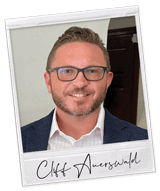 |
Cliff Auerswald, President of All Reverse Mortgage, Inc., and co-creator of ARLO™ — the industry's first real-time reverse mortgage pricing engine — has 27 years of experience in mortgage banking, with 20+ years focused exclusively on reverse mortgages. A recognized expert in reverse mortgage technology and consumer education, he has been featured in Kiplinger, Yahoo Finance, Realtor.com, and HousingWire. (License: NMLS# 14041) |
Reverse Mortgage Closing Costs (2026): Fees, Line by Line
On a HECM in 2026, closing costs come to about 3% to 5% of your home's value, or the $1,249,125 lending limit if your home is worth more than that. Three items make up the total: a 2% FHA mortgage insurance premium, a lender origination fee that HUD caps at $6,000, and third-party charges for the appraisal, title, recording and counseling that run roughly $2,000 to $4,000 depending on your county. Everything except the appraisal and the costs you pay out-of-pocket. The tables below show the examples at several home value assumptions.

 Michael G. Branson, CEO of All Reverse Mortgage, Inc. and moderator of ARLO™, has 45 years of experience in mortgage banking, with the past 20 years devoted exclusively to reverse mortgages. A Forbes Real Estate Council member, he has been featured in Forbes, Kiplinger, the LA Times, and Yahoo Finance. (License: NMLS #14040)
Cliff Auerswald, President of All Reverse Mortgage, Inc. and co-creator of ARLO™ — the industry's first real-time reverse mortgage pricing engine — has 27 years of experience in mortgage banking, with 20+ years focused exclusively on reverse mortgages. (License: NMLS #14041)
Michael G. Branson, CEO of All Reverse Mortgage, Inc. and moderator of ARLO™, has 45 years of experience in mortgage banking, with the past 20 years devoted exclusively to reverse mortgages. A Forbes Real Estate Council member, he has been featured in Forbes, Kiplinger, the LA Times, and Yahoo Finance. (License: NMLS #14040)
Cliff Auerswald, President of All Reverse Mortgage, Inc. and co-creator of ARLO™ — the industry's first real-time reverse mortgage pricing engine — has 27 years of experience in mortgage banking, with 20+ years focused exclusively on reverse mortgages. (License: NMLS #14041)
When considering a reverse mortgage, it’s important to understand the various costs involved. These expenses can vary significantly, not just between lenders but also by your home’s location. To ensure you’re getting the best possible deal, it’s smart to shop around and compare lenders. Among the costs, the origination fees (which cover the setup of your loan) and the lender’s margin (determining your loan’s interest rate) are particularly important to pay attention to.
Interest rates are another important factor. They represent the cost of borrowing money and will affect how much you can get from your reverse mortgage and the total amount of interest that accrues over time. My goal is to help you clearly understand these costs so that you can confidently make informed decisions about your reverse mortgage.

How Much Reverse Mortgage Closing Costs Add Up To in 2026
On a HECM, closing costs come to about 3% to 5% of your home’s value in 2026, and the table below shows the dollars at four home values. The premium is FHA’s formula and is exact. The origination column is HUD’s maximum; the lender sets the actual fee at or below it. The third-party column is the range we see at closing; your county’s recording fees and your state’s title rates set the exact figure.
HECM Closing Cost Totals by Home Value (2026)
| Home value | Initial MIP (2% of MCA) | Origination fee (HUD maximum) | Third-party fees (estimate) | Total closing costs | Share of home value |
|---|---|---|---|---|---|
| $300,000 | $6,000 | $5,000 | $1,500 to $3,000 | $12,500 to $14,000 | 4.2% to 4.7% |
| $500,000 | $10,000 | $6,000 | $2,000 to $3,500 | $18,000 to $19,500 | 3.6% to 3.9% |
| $800,000 | $16,000 | $6,000 | $2,500 to $4,000 | $24,500 to $26,000 | 3.1% to 3.3% |
| $1,249,125 or more (2026 MCA ceiling) | $24,982.50 | $6,000 | $3,000 to $5,000 | $33,982.50 to $35,982.50 | 2.7% to 2.9% of the limit |
Two things to notice. The origination maximum stops growing at $400,000 of value because the $6,000 cap takes over, so the percentage falls as the home value rises, and a lender that charges less than the maximum lowers it further. And the 2% premium is charged on the maximum claim amount, the lesser of your appraised value and the lending limit, not on what you borrow. If you take a $100,000 line of credit against a $500,000 home, the premium is still $10,000. That has been the rule since October 2, 2017, when HUD replaced the old premium that depended on your first-year draw (0.5% or 2.5%) with the flat 2% (Mortgagee Letter 2017-12).
What’s included in reverse mortgage closing costs
| Fee (HECM) | Set by | $250,000 home | $1,249,125 home (2026 MCA ceiling) | Usually financed? |
|---|---|---|---|---|
| Initial MIP (2% of MCA) | FHA / HUD | $5,000 | $24,982.50 | Yes |
| Origination fee | 24 CFR 206.31 (capped) | $4,500 (2% of first $200,000 = $4,000 + 1% of $50,000 = $500) | $6,000 (formula would be $14,491.25; FHA cap binds) | Yes |
| Annual MIP (ongoing, not a closing line) | FHA / HUD | 0.50% of outstanding balance per year | 0.50% of outstanding balance per year | Accrues on balance |
| Appraisal, title, recording, credit, flood cert, settlement | Third parties; HUD “reasonable and customary” | Varies by county (often roughly $1,200–$3,000) | Varies by county; title insurance usually rises with value | Usually yes, except appraisal and counseling are often paid outside closing |
| HUD counseling | HUD-approved agency | Often $0–$200; cannot be charged if unaffordable (CFPB) | Same rule | Paid before application; sometimes POC |
HECM closing costs itemized (MIP, origination, third-party)
Origination Fee: This charge covers the lender’s services for processing your Home Equity Conversion Mortgage (HECM) application. It’s essentially the cost for a lender to process your loan from start to finish. FHA sets limits on how much lenders can charge for this fee to protect borrowers from high costs. Specifically, a lender can charge no more than $2,500 or 2% of the first $200,000 of your home’s value, plus 1% of any amount over $200,000. However, no matter what your home is worth, the origination fee for a HECM can’t exceed $6,000. (Source: 24 CFR § 206.31(a)(1) and HUD Handbook 4000.1 (HECM origination).
Document Preparation: This is a 3rd-party service selected by the lender to prepare the final closing documents, including the note, deed of trust, and other agreements. They are responsible for ensuring that the documents comply with local and federal guidelines.
Flood Certification: This is a 3rd-party service responsible for determining whether a property is in a FEMA-designated Flood Zone and for providing a Life of Loan determination/guarantee.
Initial Mortgage Insurance (MIP): This insurance premium is paid directly to HUD at closing to insure the individual loan under the HECM program. (Source: 24 CFR § 206.105; HUD MIP structure in effect since 2017.)
2026 lending limit that drives MIP: For FHA case numbers assigned on or after January 1, 2026, the HECM maximum claim amount is $1,249,125 across all areas. Initial MIP is 2% of the lesser of the appraised value or that $1,249,125 cap. (Source: HUD Mortgagee Letter 2025-22.)
Settlement Closing: This is a 3rd party service responsible for handling the settlement or closing of the loan. They work with the title company to obtain public records information, with existing lenders to obtain payoffs, and with lenders and counties to record the loan.
Counseling: This is a 3rd-party service that provides counseling sessions to each Reverse Mortgage loan applicant at the beginning of the process. The counselors are tasked with educating borrowers about Reverse Mortgages and determining whether they may qualify for other types of financing. This is a HUD requirement to start the Reverse Mortgage process.
Appraisal: The home appraisal is an important step in the reverse mortgage application. This assessment establishes your property’s current market value, a key figure that determines the amount you can qualify for with a reverse mortgage. This fee is part of the process and varies by location.
Credit Report: This is another 3rd party service. The credit company must provide a full credit report from all 3 credit bureaus (Experian, TransUnion & Equifax) for each Reverse Mortgage applicant to determine the borrower’s credit scores, credit history, and any delinquencies or public records. This is a necessary step in the process as a lender must review a borrower’s credit history for specific things to determine eligibility for the program.
Lender Title Insurance: This is a 3rd-party service required for any loan and is not specific to Reverse Mortgages. For every loan, a title report must be obtained from a Title Company, and the company must ensure that the lender is included in the transaction for the required amount, based on the appraised value, etc. The fee for title insurance usually varies by loan type and by state.
Endorsements: Lenders require various endorsements to the title policy based on the loan type. The charges for these endorsements will vary from state to state. For a Reverse Mortgage, required endorsements include Neg-Am and Environmental; obtaining these endorsements incurs additional charges. Other required approvals can vary by property type (e.g., Condo, PUD, Manufactured Home).
Recording: Whenever a new loan is completed, the Security Instruments (Deeds of Trust or Mortgage – verbiage varies from state to state) must be recorded with the county recorder’s office to finalize the transaction. There is always a charge to record documents, so there is a Recording fee for all loans. Recording charges can vary from County to County and State to state.
Notary: All final loan documents must be executed before a notary, as some documents require notarization, such as the deed of trust. This is a 3rd-party service based on the amount the signing service will charge for handling the signing and notarizing of all necessary documents.
The table below shows what each of these third-party lines runs in 2026 and where it appears on the HUD-1 settlement statement. HUD allows these charges only in the “reasonable and customary” amount for your area (24 CFR 206.31(a)(2)), and the lender keeps none of them.
Third-Party Fees on a HECM, Line by Line (2026)
| Fee | HUD-1 line | What it pays for | 2026 typical amount | Who sets it |
|---|---|---|---|---|
| Appraisal | 804 | The FHA appraisal of your home's value and condition. Ordered through an appraisal management company. | $550 to $800; more for large, rural or unusual properties | Appraisal management company |
| Credit report | 805 | The tri-merge credit report HUD's financial assessment requires for each borrower. | $50 to $100 | Credit vendor |
| Flood certification | 807 | Determines whether the home is in a FEMA flood zone, with a life-of-loan guarantee. | $15 to $30 | Flood vendor |
| HUD counseling | 800 series | The required session with a HUD-approved counselor before you apply. | $125 to $200; reduced or waived for lower-income households | Counseling agency |
| Title search and lender's title policy | 1101 and 1104 | The title search plus the lender's policy with the endorsements a reverse mortgage requires (negative amortization and environmental). | Scales with home value; $1,000 to $2,500 on most loans | Title company; rates are state-set in Texas and Florida |
| Settlement or closing fee | 1102 | The closing agent's fee to prepare the settlement, collect payoffs, fund and record. | $300 to $600 | Title or escrow company |
| Document preparation | 1101 (itemized) | Drafting the note, the security instruments and the HECM-specific documents. | $100 to $250 | Document vendor |
| Notary and signing | 1101 (itemized) | The mobile notary who meets you to sign and notarize the package. | $150 to $250 | Signing service |
| Recording | 1201 | County recording of both security instruments. A HECM records two: the lender's and HUD's. | $100 to $350 | County recorder |
| State tax or stamps | 1205 | Documentary stamp and intangible taxes where a state charges them on mortgages. | $0 in most of our states; see Florida below | State law |
State and third-party reverse mortgage closing fees
State Tax/Stamps Mortgage: In some states (ex., Florida), there are state charges whenever you do any Real Estate transaction, including Refinances. These state or county-specific charges must be paid based on the dollar amount shown on the Deed or Mortgage. Intangible Tax is like the State Tax/Stamps Mortgage and is required for all Real Estate Transactions in some states. Again, the example is Florida, which has a mandatory state charge.
Other States, such as Texas, Illinois, Pennsylvania, and New Jersey (to name a couple), have other miscellaneous additional charges not seen on all Good Faith Estimates, as they are either local or state fees that vary from transaction to transaction but usually do not add up to be too significant as far as the dollar amount of the cost.
How interest and APR relate to reverse mortgage closing costs
Interest rates are a significant factor that affects the cost of a reverse mortgage for borrowers. When choosing a reverse mortgage, you have two interest rates to consider: fixed and variable rates. Fixed-rate reverse mortgages were once the go-to choice for many HECM borrowers because they offer the stability of an interest rate that doesn’t change over the years. However, recent regulatory changes have limited the amount of money you can access upfront with a fixed-rate loan, making it less attractive to some borrowers.
On the other hand, variable-rate reverse mortgages have interest rates that can fluctuate over time, so the cost of the loan may increase or decrease. It’s important to note that regardless of the interest rate type, the entire loan balance becomes due when the loan matures—typically when you sell your home, move out, or upon your passing. Variable rates are known for their flexibility, especially with payment options. For instance, the line of credit plan is a popular choice among borrowers due to its adaptability and the potential for the credit line to grow over time.
HECM closing costs vs traditional mortgage costs (2026)
Feature HECM Reverse Mortgage Traditional Mortgage
Lending Limit $1,249,125 $806,500
Average Fixed Rate 7.56% (8.99% APR) 6.96% (7.25% APR)
Loan Duration For Life 15 or 30 Years
Upfront Insurance 2% of Loan $0
Monthly Insurance 0.50% $0
Low/No Closing Costs No Yes
Note: HECM lending limit corrected to $1,249,125 (as of 2026). Rates and APRs are averages.
FAQs
How much are the closing costs on reverse mortgages?
Closing costs vary depending on the program you select. An automatic 2% mortgage premium is paid to FHA on the federally insured home equity conversion mortgage. In contrast, proprietary and jumbo reverse mortgages are free of additional insurance charges. Your initial loan amount may also influence the overall closing costs, as larger loan amounts offer lenders more value and increase their ability to waive origination fees.
Are reverse mortgage closing costs paid upfront or added to the loan?
Very few closing costs are paid upfront; most are added to the loan. Often, you’ll need to pay the appraisal fee directly to the appraiser at the time of service, and possibly the counseling fee as well. However, if the lender is familiar with the local sales market, they might be willing to cover the appraisal fee for you. But be cautious; this might not be as advantageous as it appears. If a lender readily offers to pay the appraisal fee upfront, thoroughly review their rates and fees. Some larger lenders also own appraisal management companies. While this might seem convenient at first, it can become problematic if you switch lenders later for better rates or lower fees. These lender-owned management companies often do not cooperate with new lenders. Any issues with the original appraisal reports, which occur frequently, are not corrected by these companies, rendering the reports unusable and forcing the borrower and new lender to pay for new appraisals, thereby incurring additional costs and delays. A word of caution: if you choose a lender that uses their own appraisal management company, make sure to get all competitive quotes you’re considering before letting them order an appraisal. An appraisal fee that initially seems $100 cheaper can cost you much more later, through additional fees or higher rates. It’s wise to compare options before committing.
Are closing costs on reverse mortgages deductible?
Specific loan origination and appraisal fees may be deductible. We recommend you speak to your trusted tax advisor for full disclosure, as mortgage lenders are not licensed to advise on tax matters.
How is the interest paid on a reverse mortgage?
Interest is paid on a reverse mortgage when the loan is repaid, partially or in full. No monthly mortgage payments are required on a reverse mortgage, so you only pay the interest that accrues when you intentionally do so by making a voluntary repayment or paying the loan in full by selling the property, refinancing the loan, or paying it off with other funds.
Do all lenders have the same closing costs?
No. On a federally insured HECM loan, all lenders charge a uniform 2% upfront mortgage insurance premium, which is required for the loan and paid to HUD. However, each lender offers its own interest rates, margins, and a set of closing costs, as private companies operate on their margins. It pays to shop around and compare both rates and total costs. Generally, you will find that brokers have higher costs because they serve more as middlemen for direct lenders.
Do you offer a “No Closing Cost” reverse mortgage?
The availability of a “No Closing Cost” reverse mortgage depends on the lender’s willingness and ability to cover these costs for you. It’s important to understand that all loans have associated costs. However, there were periods when lenders could absorb these costs on the borrower’s behalf, thanks to anticipated revenue from selling the loan, so the borrower didn’t have to pay them directly. Currently, lenders may still cover closing costs for borrowers, but these options are less common and come with more restrictions. It’s worth checking if you qualify for a loan with no or minimal closing costs that you have to pay out of pocket or add to your loan balance. Even if it turns out you’re not eligible for a loan with no closing costs, comparing offers from multiple lenders might reveal opportunities to find a loan where the lender agrees to cover a portion of the costs, thus reducing your overall loan expenses. This is particularly true for jumbo or proprietary loan programs, which don’t require initial mortgage insurance premiums.
What’s a typical APR for a reverse mortgage?
There’s no “typical” APR (Annual Percentage Rate) for a reverse mortgage because rates vary widely. They change over time, and different lenders offer different programs. Unlike traditional loans, a reverse mortgage line of credit doesn’t use an APR but rather a TALC rate, which stands for Total Annual Loan Cost. This means all fees are included upfront and added to the loan balance. The cost-effectiveness of a reverse mortgage improves the longer you hold the loan, as the upfront fees are spread over its duration. However, if you pay off the loan within a year, it becomes quite expensive because these initial fees are not spread over time, so early payoff is generally not cost-effective. When looking into reverse mortgages, comparing proposals from several lenders is crucial. Focus on the full range of features, not just a single aspect like a lower appraisal fee, which higher interest rates or other costs could offset. Sometimes, choosing a lender based on slightly lower initial fees can lead to paying significantly more in interest or having access to fewer funds in the long run. Be cautious if a lender is eager for your Social Security number or reluctant to provide a written proposal; these could be red flags. Remember, the right reverse mortgage should meet your specific needs and possibly serve as the last loan you’ll ever need. Take your time to ensure it’s the best fit for your situation.
Can I use my reverse mortgage proceeds to pay the lender’s closing fees?
Except for any fees required of you to start the loan (usually the appraisal and counseling fees and possibly credit reports), all other fees are paid with the reverse mortgage proceeds. There may be other fees specific to your transaction that your lender would need to discuss with you (i.e., HOA charges for needed documents, charges for property inspections due to manufactured housing requirements, etc.). At times, lenders may work with you on the appraisal, but that depends on the lender. If you decide not to complete the transaction, the lender would not be able to recoup this cost, and it would be money they would need to front or pay on your behalf. Also, remember that a lender who pays for your appraisal may be using an appraisal management company they own all or in part. If you find a better deal on a loan or need to move your loan later to close it due to HUD appraisal requirements, you may run into issues with the valuation or with a new lender even being able to use that appraisal at all. At the same time, you would be locked into the value reported. There are times when you may be able to find a credit counseling provider with grant funding available that can provide counseling services at no charge to the borrower. But lenders never know when those funds are available to which counseling agencies and are not allowed to “steer” borrowers to any counseling providers anyway. It would be up to you to search the internet for no-cost counseling when you were ready to receive your services if that was important to you.
What percentage do you charge for the loan origination fee?
The origination fees for reverse mortgages are not calculated as a percentage of the loan amount but are capped by HUD. This cap is because borrowers often can take no money at closing. While lenders determine the origination fee, HUD caps it at $6,000 for a HUD HECM reverse mortgage, regardless of the home’s value. Therefore, shopping around and obtaining multiple quotes from different lenders is crucial to securing the best terms.
What percentage of the loan is charged for mortgage insurance?
HUD sets mortgage insurance, and the up-front fee is 2% of the property value or the HUD maximum loan limit, whichever is less. The HUD lending limit is currently $1,249,125, so if your home value is $1,249,125, your initial mortgage insurance would be based on the HUD lending limit, not the higher value. ($1,249,125 x 2% = $24,982). The annual renewal premium is .50% of the outstanding balance of your loan.
Are there any reverse mortgages with no origination fee?
The ability to offer a reverse mortgage with no origination fee depends on market conditions and the value of the loans at any given time. In addition, costs can sometimes be subsidized by the lender through a slightly higher interest rate and a lower or waived origination fee. If the rates are favorable enough, lenders might even offer credit to cover other fees, which has been the case many times in the past. At this time, though, the combination of higher interest rates and HUD’s lowering of the interest rate floor several years ago has made no-origination-fee loans and lender credits much more complex. They are virtually nonexistent at this time. Because any increase in the rate means borrowers receive less money on their loans, lenders cannot raise the rate slightly to offset some of the costs. When the expected rate was below the HUD floor rate, quoting a slightly higher rate gave borrowers a choice between a slightly higher rate and lower closing costs, or a lower rate and higher fees, but they could still receive the same amount of money with their loan. Remember, one of the factors that determines how much money you will receive with a reverse mortgage is the interest rate. Now that rates have risen, all expected rates are above the HUD floor, so each rate increase reduces borrowers’ funds. HUD floor is the rate at which anything at or below means borrowers receive the maximum amount available under the program, but any rate over that floor reduces the amount of money borrowers receive, and they keep receiving less and less as the rate rises. This often leaves many borrowers who must pay off a current mortgage “short to close,” meaning the only way they can get a reverse mortgage is to take money out of their pocket because the loan will not cover all costs and existing loans. When this happens, there is no sense in raising the rate, which would further reduce the funds available to the borrower to offer no closing costs. The best thing you can do is visit several online calculators, like ours, and compare your results with proposals from other lenders. Then, pull up reviews from independent consumer sites like the Better Business Bureau (not a paid site that works for the lenders it “reviews”) and see what people who have used the lenders say about them. It pays to do a little research for such an important decision.
ARLO recommends these helpful resources:


June 1st, 2023
June 7th, 2023
October 5th, 2020
October 7th, 2020
May 12th, 2025
May 30th, 2025
March 18th, 2019
March 18th, 2019