

See How Much You Could Get
Your info is private and secure.
 |
Michael G. Branson, CEO of All Reverse Mortgage, Inc., and moderator of ARLO™, has 45 years of experience in mortgage banking, with the past 20 years devoted exclusively to reverse mortgages. A Forbes Real Estate Council member, he developed the industry's first fixed-rate jumbo reverse mortgage and has been featured in Forbes, Kiplinger, the LA Times, and Yahoo Finance. (License: NMLS# 14040) |
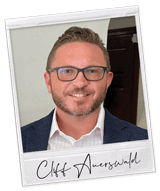 |
Cliff Auerswald, President of All Reverse Mortgage, Inc., and co-creator of ARLO™ — the industry's first real-time reverse mortgage pricing engine — has 27 years of experience in mortgage banking, with 20+ years focused exclusively on reverse mortgages. A recognized expert in reverse mortgage technology and consumer education, he has been featured in Kiplinger, Yahoo Finance, Realtor.com, and HousingWire. (License: NMLS# 14041) |
6 Steps for Heirs — How to Repay a Reverse Mortgage After Death
Heirs who inherit a home with a reverse mortgage can follow six steps: find the most recent loan statement, ask a senior real estate specialist about the home's market value, secure title (often through probate), and decide whether to keep the home, sell it, or walk away. Then tell the lender your plans and, if you won't keep the house, handle personal belongings and an estate sale.

 Michael G. Branson, CEO of All Reverse Mortgage, Inc. and moderator of ARLO™, has 45 years of experience in mortgage banking, with the past 20 years devoted exclusively to reverse mortgages. A Forbes Real Estate Council member, he has been featured in Forbes, Kiplinger, the LA Times, and Yahoo Finance. (License: NMLS #14040)
Cliff Auerswald, President of All Reverse Mortgage, Inc. and co-creator of ARLO™ — the industry's first real-time reverse mortgage pricing engine — has 27 years of experience in mortgage banking, with 20+ years focused exclusively on reverse mortgages. (License: NMLS #14041)
Michael G. Branson, CEO of All Reverse Mortgage, Inc. and moderator of ARLO™, has 45 years of experience in mortgage banking, with the past 20 years devoted exclusively to reverse mortgages. A Forbes Real Estate Council member, he has been featured in Forbes, Kiplinger, the LA Times, and Yahoo Finance. (License: NMLS #14040)
Cliff Auerswald, President of All Reverse Mortgage, Inc. and co-creator of ARLO™ — the industry's first real-time reverse mortgage pricing engine — has 27 years of experience in mortgage banking, with 20+ years focused exclusively on reverse mortgages. (License: NMLS #14041)
Inheriting a property is a significant responsibility, especially when it comes with a reverse mortgage attached. If you find yourself as the heir to a borrower who has passed away, you may feel overwhelmed by the financial and legal complexities that follow.
This article will guide you through the steps we recommend following to navigate this situation. Whether you’re considering paying off the loan, selling the property, or taking on other options, our aim is to provide you with a comprehensive understanding of your options and the next steps involved.

Let’s explore how you can effectively handle a reverse mortgage after a borrower’s death:
Step 1: Accessing Your Most Recent Reverse Mortgage Statement
Finding Your Latest Statement — Begin by locating the most recent statement for your reverse mortgage. This document is crucial as it contains essential information about your current mortgage status.
Understanding Your Statement — Once you have your statement, it’s important to comprehend the details it provides. We offer guidance on interpreting the information in your reverse mortgage statement here.
Why It’s Important — A clear understanding of your statement will inform you about your outstanding loan balance, interest rates, and other relevant financial details. This knowledge is vital for making informed decisions about managing or resolving your reverse mortgage.
Step 2: Engage with a Senior Real Estate Specialist
Reaching Out to a Specialist — Connect with a senior real estate specialist in your area. Their expertise in real estate matters related to senior homeowners is invaluable, whether you’re considering selling your home or not.
Assessing Your Home’s Market Value — Even if you’re not planning to sell, it’s beneficial to understand the potential market value of your property. An elder real estate specialist can provide a realistic estimate of what your home could fetch in the current market.
Additional Services and Support — Beyond property valuation, these specialists can offer guidance on various aspects of estate management. This includes assistance with organizing and conducting estate sales, should you require such services.
Why This Step Matters — Gaining insights from a real estate specialist can help you make more informed decisions about your property. Whether for future planning, considering a sale, or understanding your estate’s value, this professional advice is crucial in navigating your estate options effectively.
Step 3: Securing Title
The Importance of Holding Title — Ensure that you have legal title to the property. This step is critical, especially if you’re considering selling the property or transferring its title to someone else, such as a family member or a third party.
Navigating the Probate Process — In many cases, transferring title requires going through the probate process. This is particularly true if the property is part of an estate following the owner’s passing. Probate is the legal procedure of transferring property ownership after death.
Consulting with an Estate Attorney — It’s advisable to seek the services of an estate attorney to guide you through this process. If the original borrower had legal representation, contacting their attorney could be a beneficial starting point, as they might already have relevant background information about the property.
Step 4: Decide If You Wish to Sell the Home or Walk Away
Keeping the Home — If you opt to keep the house, you’ll be required to settle the mortgage balance. However, if the outstanding mortgage amount exceeds the home’s current market value, you are generally only obligated to pay 95% of its market value.
Selling or Transferring the Property — Should you decide to sell the home or transfer it to a family member, involving the elder real estate agent and ensuring the title is in your name are key steps. These actions will streamline the process and set a clear direction forward.
Understanding the Implications of Walking Away — Walking away from the home means allowing the lender to take possession of it. This decision should be made after carefully considering your financial situation and future housing needs.
Step 5: Communicating Your Intentions to the Reverse Mortgage Lender
Initiating the Conversation — It’s important to proactively contact your reverse mortgage lender, especially after deciding on the property. While the lender might already be aware of the borrower’s passing, you must convey your plans regarding the property.
Timing and Preparedness — If you’ve formulated your plan of action — to sell, refinance, or transfer the property — it’s advantageous to inform the lender as soon as possible. This is particularly important if they haven’t contacted you about the due and payable loan.
The Lender’s Role in the Process — Keep in mind that the lender has specific responsibilities to fulfill on their end. These may include property appraisals, communicating with HUD, and other administrative tasks. By informing them of your readiness to proceed, you can help expedite these processes.
Providing a Letter of Intent — A formal letter of intent can be a useful tool in this communication. It clearly states your plans and intentions, offering a tangible reference for you and the lender as you navigate the next steps.
Step 6: Handling Personal Belongings and Estate Sale Preparations
Preparing for Property Transition — If your assessment leads to the conclusion that selling the property isn’t financially viable and you choose not to retain it, it’s time to prepare to vacate the home. Start by removing all personal items and belongings of your loved one that hold sentimental or financial value to you.
Coordinating with Estate Sale Professionals — Once you have taken what you wish to keep, the elder real estate professional you’ve consulted can likely refer you to an estate sales expert. These professionals specialize in managing the sale of remaining personal items within the home.
Conducting an Estate Sale — The estate sales team will organize and execute the sale to liquidate the items you’ve chosen not to retain. Their pricing, marketing, and selling expertise can significantly ease this process for you.
Handling Post-Sale Procedures — After the sale, the estate sales professionals will typically oversee donating any unsold items. This step clears the property, can contribute to final expense payments, and potentially provide tax benefits.
Consulting a Tax Specialist — It’s advisable to consult with a tax professional regarding the estate sale and donations. They can guide you on the necessary receipts and documentation to file final tax returns and maximize applicable tax advantages.
Ensuring a Smooth Transition — This process is essential for a smooth transition away from the property, ensuring that personal belongings are respectfully handled and the property is cleared for its next phase.
Top FAQs
Do you have to repay a reverse mortgage?
Can you pay back a reverse mortgage early?
What happens if you don’t pay back a reverse mortgage?
Can heirs walk away from a reverse mortgage?
What happens if you inherit a house with a reverse mortgage?
How do I find the company that services my parents’ reverse mortgage?
How can I prove I am the heir to my mother’s house?
Can heirs pay down the loan and make monthly payments on the remaining reverse mortgage?
Can I keep my mother’s reverse mortgage if I can’t secure financing?
How long does a reverse mortgage lender take to accept a Deed in Lieu of Foreclosure?
Is there a penalty for leaving personal belongings in a house that we will let go into foreclosure?
Is adding an alternate contact sufficient to converse with the lender and sell my home?
Need Help Navigating a Reverse Mortgage After a Loved One’s Passing? Get expert guidance from All Reverse Mortgage, Inc. (ARLO™) — America’s #1 Rated Lender with a 4.99/5-star rating! Call (800) 565-1722 or click here for your free consultation — simple, trusted, 100% secure!

ARLO recommends these helpful resources:


March 26th, 2026
March 26th, 2026
March 26th, 2026
April 2nd, 2025
April 7th, 2025
February 18th, 2025
February 18th, 2025
Being at least 62 years oldLiving in the home as her primary residenceHaving sufficient equity in the property
I recommend she speaks with a reverse mortgage specialist to determine if she qualifies and to explore the best options for her situation.March 15th, 2025
September 4th, 2024
September 4th, 2024
November 10th, 2024
November 13th, 2024
November 13th, 2024
August 31st, 2024
September 3rd, 2024
August 15th, 2024
August 18th, 2024
August 6th, 2024
May 1st, 2024
May 5th, 2024
April 17th, 2024
April 17th, 2024
January 8th, 2024
January 8th, 2024
November 23rd, 2023
November 23rd, 2023
June 23rd, 2023
June 26th, 2023
April 30th, 2023
April 30th, 2023
April 14th, 2023
April 14th, 2023
January 22nd, 2023
January 22nd, 2023
March 18th, 2023
September 30th, 2022
September 30th, 2022
August 14th, 2022
August 16th, 2022
July 11th, 2022
July 13th, 2022
February 16th, 2022
February 16th, 2022
February 15th, 2022
February 16th, 2022
June 29th, 2021
June 29th, 2021
April 13th, 2021
April 13th, 2021
February 18th, 2021
February 18th, 2021
January 24th, 2022
January 29th, 2022
February 9th, 2021
February 9th, 2021
August 14th, 2020
August 14th, 2020
July 3rd, 2020
July 7th, 2020
June 29th, 2020
June 29th, 2020
May 18th, 2020
May 18th, 2020
May 17th, 2020
May 18th, 2020
March 9th, 2020
March 9th, 2020
November 4th, 2019
November 4th, 2019
September 18th, 2019
September 18th, 2019
September 9th, 2019
September 15th, 2019
July 11th, 2019
July 12th, 2019
June 5th, 2019
June 5th, 2019
May 29th, 2019
May 29th, 2019
May 23rd, 2019
May 23rd, 2019
May 11th, 2019
May 14th, 2019
April 24th, 2019
April 24th, 2019
April 16th, 2019
April 18th, 2019
March 11th, 2019
March 11th, 2019
March 3rd, 2019
March 4th, 2019
November 12th, 2018
November 12th, 2018