

Get More From Your Equity with ARLO™
 |
Michael G. Branson, CEO of All Reverse Mortgage, Inc., and moderator of ARLO™, has 45 years of experience in mortgage banking, with the past 20 years devoted exclusively to reverse mortgages. A Forbes Real Estate Council member, he developed the industry's first fixed-rate jumbo reverse mortgage and has been featured in Forbes, Kiplinger, the LA Times, and Yahoo Finance. (License: NMLS# 14040) |
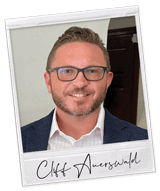 |
Cliff Auerswald, President of All Reverse Mortgage, Inc., and co-creator of ARLO™ — the industry's first real-time reverse mortgage pricing engine — has 27 years of experience in mortgage banking, with 20+ years focused exclusively on reverse mortgages. A recognized expert in reverse mortgage technology and consumer education, he has been featured in Kiplinger, Yahoo Finance, Realtor.com, and HousingWire. (License: NMLS# 14041) |
Who Gets the Most Out of a Reverse Mortgage? 5 Borrower Profiles
Homeowners who get the most out of a reverse mortgage have substantial equity, plan to stay in the home for the foreseeable future, and would like to supplement their retirement goals by accessing their home's equity. Homeowners who get the least are planning to move soon, cannot sustain ongoing property charges, or want to pass the home to heirs free and clear.

 Michael G. Branson, CEO of All Reverse Mortgage, Inc. and moderator of ARLO™, has 45 years of experience in mortgage banking, with the past 20 years devoted exclusively to reverse mortgages. A Forbes Real Estate Council member, he has been featured in Forbes, Kiplinger, the LA Times, and Yahoo Finance. (License: NMLS #14040)
Cliff Auerswald, President of All Reverse Mortgage, Inc. and co-creator of ARLO™ — the industry's first real-time reverse mortgage pricing engine — has 27 years of experience in mortgage banking, with 20+ years focused exclusively on reverse mortgages. (License: NMLS #14041)
Michael G. Branson, CEO of All Reverse Mortgage, Inc. and moderator of ARLO™, has 45 years of experience in mortgage banking, with the past 20 years devoted exclusively to reverse mortgages. A Forbes Real Estate Council member, he has been featured in Forbes, Kiplinger, the LA Times, and Yahoo Finance. (License: NMLS #14040)
Cliff Auerswald, President of All Reverse Mortgage, Inc. and co-creator of ARLO™ — the industry's first real-time reverse mortgage pricing engine — has 27 years of experience in mortgage banking, with 20+ years focused exclusively on reverse mortgages. (License: NMLS #14041)
Homeowners 62 and older hold $14.92 trillion in housing wealth as of the first quarter of 2026 — and a reverse mortgage is the only financing tool that turns that equity into cash without requiring a monthly mortgage payment. You remain responsible for your property taxes, insurance, and upkeep, but the payment obligation that defines every other loan is gone. That single difference decides who gets the most out of the program.
After 45 years in mortgage banking, I will tell you plainly: a reverse mortgage is not for everyone, and the borrowers who benefit most are not who the ads suggest. They fall into five profiles I see again and again:
- Retirees who need more monthly income
- Homeowners carrying a mortgage payment into retirement
- Homeowners who want a standby line of credit
- Homeowners funding in-home care or aging-in-place projects
- Homeowners protecting other assets and retiring debt
We will walk through each — and then, because honesty serves you better than a sales pitch, who benefits the least.
Meet the expert: Michael G. Branson, CEO of All Reverse Mortgage, Inc., and moderator of ARLO™, has 45 years of experience in the mortgage banking industry. He has devoted the past 20+ years exclusively to reverse mortgages.
1. Retirees Who Need More Monthly Income
The average retired worker collects $2,071 per month from Social Security after the 2.8% adjustment for 2026. Add a pension if you have one, and for millions of households the total still leaves a gap between the income coming in and the life they worked for.
The reverse mortgage answers that gap with the tenure payment plan: equal monthly payments from your lender to you, continuing as long as the loan remains in good standing — federal regulation itself, 24 CFR 206.19(b), sets those payments to run until the loan is prepaid or becomes due and payable. Keep the home as your primary residence, stay current on taxes and insurance, and have deposits arrive every month for life. It is the closest thing to a self-funded pension your house can provide.
One structural point the old rules of thumb skip: monthly payment plans are tied to the adjustable-rate HECM. The fixed-rate version pays a single lump sum at closing — that is a program rule, not a lender choice — so if lifetime income is your goal, the adjustable-rate loan is the vehicle.
And because reverse mortgage proceeds are loan advances rather than income, they are not taxed and do not affect Social Security or Medicare. Needs-based programs are the exception — if you receive SSI or Medicaid, structure your withdrawals with care and read our guide to reverse mortgages and Medicaid first.
2. Homeowners Carrying a Mortgage Payment Into Retirement
The largest group I help never wanted “extra” money at all. They wanted their own money back — the amount leaving their account every month for a mortgage payment they can no longer comfortably afford on retirement income.
A reverse mortgage must pay off your existing mortgage first, and for these borrowers that is the entire point. Retire the balance, and the mandatory payment disappears with it. You continue paying taxes and insurance, but the budget line that was squeezing you is gone, and you keep living in your own home. For a household straining to cover a payment on a fixed income, that swap does more than added income ever could — and it removes the foreclosure risk that builds when payments start slipping.
» Still owe on your home? Here is how a reverse mortgage works when you have a balance
3. Homeowners Who Want a Standby Line of Credit
Some of the smartest reverse mortgage borrowers I have worked with did not need money at all. They took the HECM line of credit and let it sit.
Here is why. The unused portion of your credit line grows every month at your loan’s interest rate plus the 0.50% annual mortgage insurance premium — so the reserve you are not touching gets larger year after year, regardless of what your home’s value does. Unlike a bank HELOC, the line cannot be frozen, reduced, or canceled as long as you live in the home and meet your loan obligations. That guarantee held through 2008-2009, when banks froze HELOCs across the country, and it is why financial planners treat the HECM credit line as a standby reserve: roof, car, medical bill, a down market — the money is there, and drawing it adds no monthly payment to your budget.
Line of credit vs. HELOC: See the full comparison in our guide to why the reverse mortgage line of credit beats a HELOC →
4. Homeowners Funding In-Home Care or Aging-in-Place Projects
The numbers on care are sobering. The median cost of a non-medical in-home caregiver reached $35 per hour in CareScout’s 2025 Cost of Care Survey — about $80,080 per year at 44 hours of care per week. Insurance rarely covers it, and few retirement budgets absorb it.
Home equity is how many families pay for care without leaving the home the care is meant to preserve. A reverse mortgage funds the aide who comes three mornings a week and the home itself: ramps, a walk-in shower, wider doorways, first-floor living — the renovations that make aging in place work. When one spouse needs care, it does more: it covers those expenses while preserving the couple’s savings and investments for the healthy spouse’s future, rather than draining them first.
5. Homeowners Protecting Other Assets and Retiring Debt
This profile is about arithmetic. If you are carrying credit card balances at today’s card rates, an auto loan, and installment debts on a fixed income, every payment you eliminate returns cash flow you can actually live on. Reverse mortgage proceeds can retire those debts, and because the reverse mortgage itself requires no monthly payment, the relief is permanent rather than subject to refinancing.
The same logic protects assets that are still working for you. Retirees drawing down income-producing investments to cover expenses shrink the very engine generating their income. Drawing on home equity instead leaves those assets invested — a strategy planners also use to bridge early retirement, so a borrower who stops working at 63 can delay Social Security toward age 70 and lock in the larger check without draining savings to get there.
» Wondering what happens to the loan after death? Get all the answers here
Who Benefits the Least?
Here is the other side of the ledger, because you deserve it before any lender has your appraisal fee. A reverse mortgage is the wrong tool if:
- You plan to move within a few years. The costs are front-loaded and earn their keep over time; a short stay wastes them. If a move is the plan, the HECM for Purchase puts the reverse mortgage on the next home instead.
- The property charges are already out of reach. Taxes, insurance, and upkeep continue for the life of the loan, and falling behind on any of them can cause the loan to become due and payable. If the home is unaffordable even without a payment, downsizing solves the real problem.
- Your equity is thin. The loan must pay off your existing balance first; if little remains after that, little benefit remains either. Run the numbers before you spend on an application.
- Your first goal is to leave the home unencumbered for your heirs. Interest accrues on the balance, so equity declines over time unless appreciation outpaces it or you make voluntary payments. Your heirs will inherit the home with a balance to satisfy — protected by the non-recourse guarantee, but a balance nonetheless.
Expert Insight: “I would rather lose a loan than place one badly. An informed no is a better outcome than a regretted yes — and the borrowers who hear that from me first are the ones who come back when the timing is right.”
The Three Suitability Tests
When a borrower asks me whether they will get real value from the program, we test three things:
- Your age. The HECM requires all borrowers to be 62 or older; private programs accept borrowers as young as 55 in certain states. Age also sets your borrowing power — the older you are, the higher the percentage of your home’s value you can access, because the loan is expected to accrue interest for fewer years.
- Your equity. More equity means more available proceeds, and owners with no existing mortgage access the most of all. The HECM counts your home’s value up to the 2026 lending limit of $1,249,125; above that, jumbo programs price homes up to $4 million — our calculator quotes both side by side.
- Your plans. A reverse mortgage is designed to be the last loan your home will ever need. If you intend to stay, it fits. If your retirement plan involves relocating, put the loan on the home you are moving to, not the one you are leaving.
» Looking for a lender? These top lenders currently offer reverse mortgages
The Bottom Line
The homeowners who get the most out of a reverse mortgage share three traits: real equity, a long horizon in the home, and a need the loan actually solves — monthly income, a retired mortgage payment, a growing reserve, care costs, or preserved assets. The program rewards planning, not desperation. Before you commit, complete the required session with an independent HUD-approved counselor, bring your family or advisor into the conversation, and compare the reverse mortgage against the alternative that tempts you most. If it is the right tool, the numbers will say so.
» And if you ever change your mind — yes, you can get out of a reverse mortgage
Frequently Asked Questions
How long do tenure payments last?
Do reverse mortgage proceeds count as income?
How much money can I get from a reverse mortgage?
Who should not get a reverse mortgage?
Are You One of the Five? Get a free quote with live rates and a look at which of the five borrower profiles fits you, or try our reverse mortgage calculator. If you’d rather talk it through, call us toll-free at (800) 565-1722.


Have a Question About Reverse Mortgages?
Over 2000 of your questions answered by ARLO™
Ask your question now!