

 |
Michael G. Branson, CEO of All Reverse Mortgage, Inc., and moderator of ARLO™, has 45 years of experience in mortgage banking, with the past 20 years devoted exclusively to reverse mortgages. A Forbes Real Estate Council member, he developed the industry's first fixed-rate jumbo reverse mortgage and has been featured in Forbes, Kiplinger, the LA Times, and Yahoo Finance. (License: NMLS# 14040) |
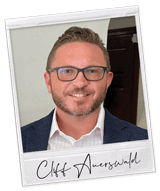 |
Cliff Auerswald, President of All Reverse Mortgage, Inc., and co-creator of ARLO™ — the industry's first real-time reverse mortgage pricing engine — has 27 years of experience in mortgage banking, with 20+ years focused exclusively on reverse mortgages. A recognized expert in reverse mortgage technology and consumer education, he has been featured in Kiplinger, Yahoo Finance, Realtor.com, and HousingWire. (License: NMLS# 14041) |
Here’s How Much You Get from a Reverse Mortgage in 2021?

 Michael G. Branson, CEO of All Reverse Mortgage, Inc. and moderator of ARLO™, has 45 years of experience in mortgage banking, with the past 20 years devoted exclusively to reverse mortgages. A Forbes Real Estate Council member, he has been featured in Forbes, Kiplinger, the LA Times, and Yahoo Finance. (License: NMLS #14040)
Cliff Auerswald, President of All Reverse Mortgage, Inc. and co-creator of ARLO™ — the industry's first real-time reverse mortgage pricing engine — has 27 years of experience in mortgage banking, with 20+ years focused exclusively on reverse mortgages. (License: NMLS #14041)
Michael G. Branson, CEO of All Reverse Mortgage, Inc. and moderator of ARLO™, has 45 years of experience in mortgage banking, with the past 20 years devoted exclusively to reverse mortgages. A Forbes Real Estate Council member, he has been featured in Forbes, Kiplinger, the LA Times, and Yahoo Finance. (License: NMLS #14040)
Cliff Auerswald, President of All Reverse Mortgage, Inc. and co-creator of ARLO™ — the industry's first real-time reverse mortgage pricing engine — has 27 years of experience in mortgage banking, with 20+ years focused exclusively on reverse mortgages. (License: NMLS #14041)
If you’re looking for a new way to finance your retirement, the range of options available to you through a reverse mortgage is worth exploring.
Most people start with the question: “How much can I get?”
It’s a good place to start, and it’s important to know that there are several factors that will determine the maximum amount you can borrow.
Here are the things that affect the maximum amount of value you can take out of your home’s equity through a Federal Housing Administration (FHA)-insured Home Equity Conversion Mortgage (HECM), which any prospective borrower should know before he or she begins the process of applying.
What affects how much money I get?

The amount of money you could qualify for when eligible for a HECM loan depends on:
- Your age
- The appraised value of your home
- Your existing mortgage debt
- The reverse mortgage interest rate
- Other financial obligations
Right now, the greatest amount of money that any borrower could possibly get for a government-insured reverse mortgage is $726,525, which is the 2019 lending limit set by FHA. Most borrowers will not be able to borrow this much money, however.
Why is this? Because the most money someone can get from their reverse mortgage is roughly 49-70% of the home’s full value. The amount of money you can get also changes depending on your age and your reverse mortgage interest rate: in general, younger borrowers who are at least age 62 typically qualify for less money than older borrowers, and a lower interest rate on your reverse mortgage usually leads to higher loan proceeds than a lower rate will.
2026 HECM Reverse Mortgage LTV by Age Chart
| Age of Borrower | Principal Limit Factor (PLF) | Current Lending Limit |
|---|---|---|
| 62 | 34.5% | $1,249,125 |
| 65 | 36.6% | $1,249,125 |
| 70 | 40.3% | $1,249,125 |
| 75 | 43.2% | $1,249,125 |
| 80 | 47.7% | $1,249,125 |
| 85 | 54.0% | $1,249,125 |
| 90 | 61.0% | $1,249,125 |
| Note: Principal Limit Factors (PLF) sourced from HUD.gov, based on today's lowest adjustable rate (6.25%). Net PLF requires deducting costs, including upfront insurance (~3%). | ||
What other things affect how much I can receive?
Part of the loan application process includes a professional appraisal of your home so that the lender accurately knows the full value, which of course affects how much money you’ll qualify for in the end.
This is a key requirement, and one of the first major tasks when starting the process of getting a reverse mortgage. In some instances, a second appraisal may be required to better estimate the value of the home.
Your reverse mortgage lender will also take a close look at your existing mortgage, which must be paid off as a term of the reverse mortgage.
In most cases, the reverse mortgage is used to pay off the forward mortgage and any remaining proceeds are available to the borrower in the form of a lump sum, ongoing payments, or a line of credit.
Your lender will also be required to perform a financial assessment in order to determine whether some of the loan’s proceeds need to be set aside to cover recurring expenses and loan requirements such as property taxes and homeowners’ insurance.
The amount to cover these expenses is called a life expectancy set aside, or LESA. You may also require a LESA if your credit profile dictates one through the financial assessment.
You may also opt for a set-aside to cover taxes and insurance as is common in the forward mortgage marketplace.
Summary
- How much you can qualify to borrow with a reverse mortgage depends on your age, home value, interest rates and financial obligations
- Some borrowers will need to set aside loan proceeds to cover ongoing expenses relating to the reverse mortgage
- A reverse mortgage professional can help you determine how much you can qualify to borrow
There are a lot of factors that affect the final value of a reverse mortgage loan proceeds. In the end, the best way to determine how much you can get is by talking to a reverse mortgage professional, who will help navigate you through every step of the process. Once an originator has a chance to look at the full picture of your financial situation, it’ll be much easier to know if this kind of a product is a good fit for you.
You can also take advantage of our free reverse mortgage calculator, which can help you to shop around for the best rates and products that fit your own financial situation.
It’s also a good idea to talk with your trusted friends and family while deciding if a reverse mortgage is a good fit. That way, they can advise you on what your best path forward could be in funding your retirement years.
Every individual borrower can have a very different situation. Those closest to you can probably offer more personalized advice before you sign on the dotted line.
The experts at All Reverse Mortgage® are standing by to answer your questions!
If you’re wondering how much you can get from a reverse mortgage loan call Toll Free (800) 565-1722 or receive an instant online quote.


April 23rd, 2019
April 23rd, 2019
April 5th, 2019
April 5th, 2019
April 1st, 2019
April 1st, 2019
March 21st, 2019
March 21st, 2019