

See How Much You Could Get
Your info is private and secure.
 |
Michael G. Branson, CEO of All Reverse Mortgage, Inc., and moderator of ARLO™, has 45 years of experience in mortgage banking, with the past 20 years devoted exclusively to reverse mortgages. A Forbes Real Estate Council member, he developed the industry's first fixed-rate jumbo reverse mortgage and has been featured in Forbes, Kiplinger, the LA Times, and Yahoo Finance. (License: NMLS# 14040) |
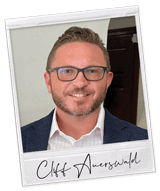 |
Cliff Auerswald, President of All Reverse Mortgage, Inc., and co-creator of ARLO™ — the industry's first real-time reverse mortgage pricing engine — has 27 years of experience in mortgage banking, with 20+ years focused exclusively on reverse mortgages. A recognized expert in reverse mortgage technology and consumer education, he has been featured in Kiplinger, Yahoo Finance, Realtor.com, and HousingWire. (License: NMLS# 14041) |
4 Most Common Reverse Mortgage Complaints in 2026
The four most common reverse mortgage complaints are high fees, equity erosion, debt passed to heirs, and foreclosure risk. Each one has some truth to it and a larger misconception behind it. The costs are real, but they are disclosed and capped, and the largest fee funds the FHA protections that protect you and the lender. Equity can decline unless appreciation or voluntary payments offset the interest owed. Heirs never owe more than the home's value on this non-recourse loan.

 Michael G. Branson, CEO of All Reverse Mortgage, Inc. and moderator of ARLO™, has 45 years of experience in mortgage banking, with the past 20 years devoted exclusively to reverse mortgages. A Forbes Real Estate Council member, he has been featured in Forbes, Kiplinger, the LA Times, and Yahoo Finance. (License: NMLS #14040)
Cliff Auerswald, President of All Reverse Mortgage, Inc. and co-creator of ARLO™ — the industry's first real-time reverse mortgage pricing engine — has 27 years of experience in mortgage banking, with 20+ years focused exclusively on reverse mortgages. (License: NMLS #14041)
Michael G. Branson, CEO of All Reverse Mortgage, Inc. and moderator of ARLO™, has 45 years of experience in mortgage banking, with the past 20 years devoted exclusively to reverse mortgages. A Forbes Real Estate Council member, he has been featured in Forbes, Kiplinger, the LA Times, and Yahoo Finance. (License: NMLS #14040)
Cliff Auerswald, President of All Reverse Mortgage, Inc. and co-creator of ARLO™ — the industry's first real-time reverse mortgage pricing engine — has 27 years of experience in mortgage banking, with 20+ years focused exclusively on reverse mortgages. (License: NMLS #14041)
After 45 years in mortgage banking, and more than 20 devoted to reverse mortgages, I have heard every complaint about this program — usually secondhand, from a neighbor, an adult child, or an article written by someone who never closed a loan. Reverse mortgages carry real trade-offs, and I will never pretend otherwise. But the four complaints I hear most often are rooted in how the program used to work, or in how people assume it works, not in how it works today.
The numbers show how much reputation matters. Researchers at Brookings estimated in a 2019 study that fewer than 1% of eligible homeowners use a reverse mortgage, and with roughly 28,000 HECMs endorsed in fiscal year 2025, compared with tens of millions of homeowners 62 and older, that has not changed. So let us take the four most common complaints one at a time and separate the myths from the facts:
- Reverse mortgages come with high fees
- Reverse mortgages “eat up” your home equity
- My heirs have to pay off the excessive loan balance
- Reverse mortgages can lead to foreclosure due to growing loan balances
1. Excessive Fees
Myth: Reverse mortgages come with high, hidden fees.
Fact: The costs are real, but they are disclosed, capped, and smaller than the program’s reputation suggests.
I will not tell you a reverse mortgage is cheap because, on the largest line item, it is not: the HECM program charges an upfront FHA mortgage insurance premium of 2% of your home’s value, up to the lending limit. What I will tell you is that nothing about the closing costs is hidden. The origination fee is capped by HUD; the third-party charges — appraisal, title, recording — mirror those on any mortgage, and every cost appears in your disclosures and again in your required counseling session before you commit one cent. That insurance premium is not lender profit, either. It funds the protections that define the program: the non-recourse guarantee and a line of credit that cannot be frozen or reduced.
Interest rates on reverse mortgages are somewhat higher than those on a traditional 30-year fixed rate. Weigh that against what the loan does: no required monthly mortgage payment for as long as you live in the home, with repayment due only when you leave it. And compare lenders the same way you would on any mortgage — the margin affects both your available proceeds and how fast your balance grows, and it differs from company to company.
Still wary about reverse mortgage costs? Use our Reverse Mortgage Calculator for real-time interest rates, accurate cost estimates for your location, and side-by-side amortization schedules.
2. Equity Erosion
Myth: Reverse mortgages “eat up” your home equity.
Fact: The balance grows over time, but you control how fast — and every dollar of equity above it remains yours.
This complaint is half true, and I would rather be straight with you about which half. Because no monthly payments are required, interest and mortgage insurance are added to the balance, which increases it. Unless your home appreciates faster than the accrual, your equity declines over the life of the loan.
Here is the half the complaint misses: you set the pace. Interest accrues only on the funds you have actually drawn, so a borrower who takes the line of credit and draws slowly preserves far more equity than one who takes everything on day one. There are no prepayment penalties, so you can make voluntary payments of any size, any time, to slow or reverse the growth. And you can sell whenever you choose — the equity above the balance belongs to you or your heirs, always.
3. Burden on Heirs
Myth: My heirs have to pay off the excessive loan balance.
Fact: Heirs never owe more than the home is worth — that guarantee is built into the loan.
The HECM is a non-recourse loan designed to protect your heirs, not burden them. When the loan ends, they choose. They can sell the home and keep every dollar above the loan balance. They can keep the property by paying off the balance — and if the balance has grown past the home’s value, HUD’s 95% rule lets them satisfy the entire loan at 95% of the current appraised value. Or they can walk away owing nothing, and the FHA insurance absorbs any shortfall. Their own savings and assets are never touched. Servicers also give heirs time: extensions of up to a year, in 90-day increments, while a good-faith sale is underway.
4. Foreclosure Concerns
Myth: Reverse mortgages lead to foreclosure because the loan balance keeps growing.
Fact: The balance can never trigger foreclosure. Only unmet obligations, or leaving the home, make the loan due.
Even if your balance grows to exceed your home’s value, you can live in the home for the rest of your life. Foreclosure on a reverse mortgage traces to two situations. The first is failing to meet the property charges — real estate taxes, homeowners insurance, and basic upkeep. The second is the loan reaching its natural end: the last borrower passes away or permanently leaves the home, and no one repays or sells. Foreclosure occurs when a due-and-payable loan is simply ignored, and servicers are required to follow HUD’s loss mitigation procedures and timelines before it ever reaches that point.
The industry also addressed the tax-and-insurance problem directly. Since HUD added the financial assessment in 2015, lenders must confirm every borrower can carry the property charges — and where the numbers are tight, a Life Expectancy Set-Aside reserves loan funds to pay the taxes and insurance for you.
Know the warning signs: See what causes a reverse mortgage default →
How Do You Avoid the Problems Behind the Complaints?
One of my statements that I use often — and I hear it repeated by others, and am very happy when I do — is this:
Expert Insight: “I would rather you not get a reverse mortgage for the right reasons than get one for the wrong reasons.”
The biggest contributors to negative sentiment are a lack of awareness of how the program works and what it costs. In the past, there was limited access to education. Today, every borrower completes a mandatory counseling session with an independent HUD-approved counselor before the loan can move forward, and family members are welcome to sit in — I encourage it, because the heirs who understand the loan are the ones who never have a problem with it.
The formal record backs this up: reverse mortgage complaints to the CFPB have declined year over year, and the complaints that are filed mostly concern servicing communication — reaching the right person, payoff statements, timelines for heirs — not the structure of the loan itself. That is worth knowing when you choose a lender: pick one who will still answer the phone after closing, and make sure your family knows who to call when the loan ends.
Skip the education, and you could also overlook what the program does well:
- No required monthly mortgage payment
- Funds to help pay for in-home care or health costs
- A guaranteed line of credit that grows on the unused balance
- Paying off an existing mortgage or other debt to free up monthly cash flow
- In some cases, stopping a pending foreclosure by paying off the delinquent loan
- Staying in your home for life while you meet the loan terms
Expert Insight: “Doing the right thing in our business means doing what is suitable for homeowners 62 and older. We do not ‘sell’ a loan to our customers. We educate them about the loan program, the various options available, and the good and the bad based on the information they are requesting.” — Michael G. Branson, CEO, All Reverse Mortgage, Inc.
Want the full picture? Delve into these reverse mortgage pros and cons →
Reversing the Misconceptions
Most complaints about reverse mortgages trace back to how the program worked decades ago, or to a misunderstanding of how it works now. Get the facts, ask hard questions in your counseling session, and work with a lender who would rather educate you than sell you. Weigh the real costs against the real protections, and you will know whether this loan belongs in your retirement — or whether it does not. Either answer is a good outcome when you reach it informed.
Still feel like you’re in the dark? Consult our complete guide to understanding reverse mortgages →
Have Questions About the Costs? Get a free quote with live rates and a clear breakdown of your costs, or try our reverse mortgage calculator. Or call us Toll-Free at (800) 565-1722.


Have a Question About Reverse Mortgages?
Over 2000 of your questions answered by ARLO™
Ask your question now!