A+ BBB Accredited
★★★★★ 4.9/5 from 1,200+ reviews
HUD-Approved · NMLS #13999
Explore All Reverse×
Programs
How It Works
Calculators
Resources
Why All Reverse
HUD-approved direct lender · NMLS #13999
4.9/5 from 1,200+ reviews
ARLO

See What Your Home Could Do for You
Your instant quote includes eligibility, real-time rates
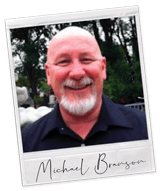
Michael G. Branson Michael G. Branson, CEO of All Reverse Mortgage, Inc., and moderator of ARLO™, has 45 years of experience in mortgage banking, with the past 20 years devoted exclusively to reverse mortgages. A Forbes Real Estate Council member, he developed the industry's first fixed-rate jumbo reverse mortgage and has been featured in Forbes, Kiplinger, the LA Times, and Yahoo Finance. (License: NMLS# 14040)
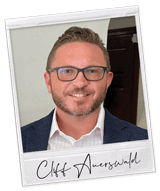
Cliff Auerswald Cliff Auerswald, President of All Reverse Mortgage, Inc., and co-creator of ARLO™ — the industry's first real-time reverse mortgage pricing engine — has 27 years of experience in mortgage banking, with 20+ years focused exclusively on reverse mortgages. A recognized expert in reverse mortgage technology and consumer education, he has been featured in Kiplinger, Yahoo Finance, Realtor.com, and HousingWire. (License: NMLS# 14041)

You Keep Ownership with a Reverse Mortgage, Not the Bank!

Michael G. Branson, CEO of All Reverse Mortgage
CEO · 45 yrs in mortgage banking
Cliff Auerswald, President of All Reverse Mortgage
President · All Reverse Mortgage Inc.
5 min read Fact Checked HUD-Lender #26031-0007 14 comments

With a reverse mortgage, am I applying for both a loan and a line of credit?  Where does the possibility of any cash equity affect me? I had been told this would be a simple transfer of my home to the company, with no further mortgage payments from me for the rest of my life.  Upon my passing, the bank will own my home.  Am I too simple and naive in my understanding and explanation? I remain interested and confused. –Don C.

Who Owns My Home? – Reverse Mortgages Explained

Reverse mortgages are nothing but a loan against your home

Great question!  Reverse mortgages, such as the HUD Home Equity Conversion Mortgage (HECM), are a unique financial tool allowing homeowners to access home equity. Contrary to some misconceptions, the bank does not take ownership of your home.

Here’s how it works: Interest accrues on the unpaid balance of the loan.  The dynamics of a reverse mortgage are different from a traditional mortgage.  With a standard mortgage, you make monthly payments, gradually reducing your debt and increasing your equity.  In contrast, a reverse mortgage has a growing balance over time, either through periodic withdrawals or a lump sum draw, both accruing interest.

This is why it’s termed “reverse” – instead of paying down the debt, you’re essentially borrowing more over time, leading to increased debt and decreased equity.

However, an important aspect to note is that the ownership of the home always remains with you.  Any equity that exists in the property is yours or your heirs’.  The reverse mortgage enables you to live in your home for the rest of your life without the burden of monthly payments, although you remain responsible for property taxes, insurance, and maintenance.

A reverse mortgage can be a strategic way to manage your assets in retirement, but it’s important to understand this loan’s rising debt and falling equity nature.


Reverse mortgages have non-recourse protections 

The feature that protects borrowers is that this loan is a “non-recourse” loan.  In other words, if the property’s value is not adequate to repay the entire loan when you pass, your heirs can never be made to pay any additional money.

The only thing the lender or HUD can use to pay the loan back is the sale of the property, and therefore, they can never attach any of your other assets or ask your heirs to repay any shortfall.

However, if the property is worth more than the loan balance, your heirs can keep the home and pay off the loan balance, or they can sell the home and pay off the loan balance and keep the excess equity.  The bank does not automatically get the house.

When you pass, your heirs have a right to determine the property’s value and review the amount owed on the reverse mortgage.


The remaining equity belongs to you, NOT the bank.  

If there is still equity in the property, they notify the bank of their plans for paying the loan off (refinance the loan or sale of the property), and the bank will work with them to accomplish this goal.

If, however, they look at the balance and property values have gone down and there is no equity, heirs can choose to Deed the property back to the bank as the heirs are not required to do anything.  As stated previously, the bank has no other recourse for the loan repayment.

If you have no heirs, just like with any other loan, the bank would have to foreclose on the existing security documents, and then they would sell the home to repay the obligation.  But under all these options, the bank can never “just assume” ownership without legal due process of law.

Please make no mistake about it: a reverse mortgage is a loan.  However, it is a loan with safeguards built in to protect your heirs later after you pass while giving them the option of deciding whether or not it makes sense for them to keep the property, sell it themselves, and keep any equity left in the home, or give it back to the loan servicer in the case of no remaining equity.


Common Misconceptions about Reverse Mortgages

MisconceptionReality
The bank owns the homeThe homeowner retains the title and ownership of the home
You can lose your home easilyAs long as you comply with the loan terms, such as paying property taxes and insurance, you can stay in your home
Reverse mortgages are only for desperate peopleThey are a strategic financial tool for many homeowners to access equity without selling their home
Heirs will inherit the debtHeirs will never owe more than the home is worth. They can choose to keep the home by paying off the reverse mortgage or sell it to cover the debt
Reverse mortgages are too expensiveWhile there are upfront costs, they are comparable to traditional mortgages and can be financed into the loan


Top FAQs

Q.

Do you keep the title of your home with a reverse mortgage?

Yes, you keep the title of your home with a reverse mortgage.  You remain the property owner like a traditional or “forward” mortgage.

Q.

What are your primary responsibilities with the loan?

Your primary responsibilities with a reverse mortgage loan are to live in the home as your primary residence, pay your property taxes, homeowners insurance, and HOA dues (if any), and maintain the upkeep of the property just like you would have to with a traditional mortgage. The only responsibility different with a reverse mortgage is requiring the home to remain your primary residence.

Q.

Can you lose your house with a reverse mortgage?

Like other mortgages, you can lose your house with a reverse mortgage.  While you have no mandatory mortgage payment obligation with a reverse mortgage, you can still end up in foreclosure if you fail to pay your property taxes and homeowners insurance or vacate the property permanently.

Q.

How many people lose their homes with a reverse mortgage?

How many people have lost their homes with a reverse mortgage is still being determined.  The only way for a borrower to default on a reverse mortgage is to fail to pay their property taxes or homeowners insurance or permanently vacate the property.  As the property owner, a reverse mortgage borrower can sell their home at any time to avoid foreclosure due to non-performance.


ARLO recommends these helpful resources: 


ARLO Testimonials
America's #1 Rated Reverse Lender Celebrating 20 Years of Excellence.
Author Michael Branson
About the Author, Michael G. Branson | Mike@allreverse.com
Michael G. Branson CEO, All Reverse Mortgage, Inc. and moderator of ARLO™ has 45 years of experience in the mortgage banking industry. He has devoted the past 20 years to reverse mortgages exclusively.

Have a Question About Reverse Mortgages?

Look no further. Michael G. Branson, our CEO, brings a wealth of knowledge directly to you. With a robust 45-year tenure in mortgage banking and 20 years dedicated solely to reverse mortgages, he's the expert you want on your side.
Post your question in the comments below and anticipate a personalized response from Mr. Branson himself, typically within one business day. He's here to illuminate all angles of reverse mortgages, ensuring you're equipped with the knowledge to make informed decisions. Take this opportunity to gain insights from a seasoned professional.

Over 2000 of your questions answered by ARLO™
Ask your question now!

14 Comments on this Article
  1.   M. Simon
    December 18th, 2024
    I'm 70 and not in the best of health. I have only one cousin living who would be my heir. If I get a HECM and then pass, how would she handle taking over my property? She is 78 as of this writing and has minimal income. Thanks!
    Reply to M.
    • Michael Branson Michael Branson
      December 29th, 2024
      Good afternoon,
      You would determine your heir in the same way you would whether or not you have a reverse mortgage. It's advisable to consult with an estate attorney to decide whether a will, trust, or another arrangement is best for your situation. It's important to understand that the loan becomes due and payable when the last borrower on the reverse mortgage is no longer living in the home as their primary residence.
      If your cousin cannot pay off the loan, either with funds or by obtaining a new loan in her name, she would need to sell the home. Any remaining equity after the reverse mortgage is repaid would belong to her.
      If your cousin currently lives with you, one option is to add her to the title before obtaining the reverse mortgage. By doing so, she could remain in the home for as long as she lives, as she would already be a co-owner and a borrower on the loan. This is another point to discuss with your estate attorney, as many individuals add family members to the title to ensure they can continue living in the home after the original borrower passes away.
      Since your cousin is older than you, adding her to the loan wouldn't reduce the amount of funds available to you from the reverse mortgage. This could be a worthwhile consideration if it fits your needs and ensures her long-term security.
      Reply to Michael
  2.   Brian C.
    December 19th, 2023
    What happens to the house & me if I have to go into a nursing home? Can I then lose the house?
    Reply to Brian
    • Michael Branson Michael Branson
      December 24th, 2023
      Hello Brian,
      You can be out of the home for up to 12 months for medical reasons, with only the duty to inform the lender and ensure the property is secure during your absence (as well as continuing to pay taxes and insurance in a timely manner). If the move is to be permanent, the loan will become due and payable, and you would need to make accommodations to pay the loan off. You can do that by selling the home with other funds or refinancing the loan with new funds.
      Refinancing is usually not an option for the owner, so most owners or their families devise a plan for an heir who'll keep the home to have a viable refinance method in place before that event. Otherwise, selling the home would be necessary if you or your heirs had insufficient funds to pay off the loan when it was due. If no one sold the home and there was no way to pay the loan off, the lender could initiate foreclosure proceedings, and you or your heirs could lose the home to foreclosure in that manner. This is why you must plan for such an event in advance.
      Reply to Michael
  3.   Flodene P.
    November 30th, 2021
    Who pays the property taxes during a reverse mortgage? Can you even get a reverse mortgage when property already is scheduled for foreclosure?
    Reply to Flodene
    • Michael Branson Michael Branson
      December 7th, 2021
      Hello Flodene,
      The borrower is still the owner and is responsible for the taxes, insurance and any other property charges (i.e., HOA dues if any).
      You would need to get a set aside for the payment of future taxes and insurance but it is still possible to get a reverse mortgage depending on your overall credit profile, the reason for the foreclosure now and only if the reverse mortgage would ensure that there would be no future issues.
      If you are looking at this situation now, you should definitely seek assistance sooner rather than later so that a lender has sufficient time to assess your situation and then get the loan together if you can be approved before the sale date.
      Reply to Michael
  4.   Christina L.
    November 28th, 2021
    My parents were divorced but lived together in a home that was solely owned by my mother. She was diagnosed with dementia about 8 years ago. When my father died in 2019 he had somehow taken out a reverse mortgage on her house. He did not have any type of power of attorney over my mother or her estate. I was wondering if the company he used did this all fraudulently or if it would even be valid? I know you're not going to advise me legally, however what is or opinion? Please and thank you.
    Reply to Christina
    • Michael Branson Michael Branson
      December 7th, 2021
      Hello Christina,
      The lender must get HUD to insure the loan and must also obtain title insurance on the loan. HUD would not insure the mortgage and the title company would not insure the title unless the loan had been completed in accordance with HUD rules and state laws.
      I would be extremely surprised if a lender would do anything to falsify the ownership or his ability to complete the loan transaction to close one loan considering the liability they would have legally and to HUD. I think it is more probable that your father had some form of legal right to encumber the property granted to him from your mother and the question is really how that was conveyed to him and when.
      I would suggest that you pull the legal documents on the property and see when the title was granted to your father and how (the legal documents that are recorded would include the grant deeds and mortgages/deeds of trust that will show the chain of title and liens). Was dad placed on title before or after mom was diagnosed with dementia? If it was after mom was diagnosed with dementia, how was it done?
      You may need to get an attorney involved to determine if the grant was legal and what your options would be at this time. If it was changed while mom still retained all her faculties, that would answer your questions as mom can add whoever she chooses to title and if she did so while of sound mind, there is no mystery other than possibly why she did it but that is something you may never know.
      Reply to Michael
  5.   Kyle K.
    November 30th, 2020
    My father and mother owned their home. Before my father died in Jan 2019, he took out a reverse mortgage. My mother is still living. She is 90 years old. I am her caregiver. She has taken money from the reverse mortgage lender. I am assuming everything she could take. When something happens to her am I able to purchase my parents' home? I know the house is worth more than what the lender has given her. And how would I go about doing that?
    Reply to Kyle
    • Michael Branson Michael Branson
      November 30th, 2020
      Hello Kyle,
      You would not need to "purchase the home", your mother owns it. You should make sure she has a trust or other documentation now that leave you the property when she passes so that the title of the home will go to you at that time.
      There will probably need to be a probate of the estate, but if your mom has a trust or will, that is much easier so I would definitely advise you to seek the assistance of an estate attorney now.
      I would also advise you to have mom sign a letter to the lender now that authorizes them to speak to you and you to them on all matters relating to the loan.
      That way, they do not need to wait for a court to declare you the owner of the property before they can communicate with you about the loan.
      Since your mom already owns the home and her estate will still own it after she passes, it is up to her who gets the property at that time. The lender cannot sell it to you because they do not own it.
      The loan will be due and payable at that time, so you have to make a choice. You need to either pay the loan off with funds available to you, refinance the loan with a new loan in your name after you have the title, or sell the home.
      For the new loan, you would need to wait for the title to be in your name, no lender will lend to you on a home that is not in your name.
      That's why getting your affairs in order with the trust or will are important now so that when the time comes, you can move swiftly to put the title into your name and complete the loan or sell the property.
      If you contact a good estate attorney, they will be able to guide you through all the steps required now to ensure a smooth and timely transition at that time.
      Reply to Michael
  6.   Angee
    October 27th, 2020
    My Aunt passed away and she had a reverse mortgage. She did not have a will. However, the courts made me and my brothers administrator over the property. Does this mean we can sale the property or is the property owned by the bank now?
    Reply to Angee
    • Michael Branson Michael Branson
      October 27th, 2020
      Hello Angee,
      Your aunt or her estate own the home, not the bank.
      A reverse mortgage is a loan and just like any other loan, it secures the lender's interest in the property with a Deed of Trust or Mortgage (depending on the state in which the property is located) and if the loan is not repaid or if the borrower defaults on the loan, the lender can foreclose on the loan.
      At that time, the property would be sold at Trustee's sale and the highest bidder at the sale would then own the property (which would be the lender if no one bids against the lender). The lender starts the bidding at the amount owed on the loan and then cannot bid again in the auction.
      At this point, it sounds like you have not been notified of any foreclosure actions, so the property is still owned by your aunt's estate.
      You now have decisions to make.
      You can sell the home, keep the home, or just let the bank take it back if you do not want to do either.
      My suggestion is that you review the latest reverse mortgage statement and compare the amount owed to the most probable selling price as reported by a local real estate professional to decide.
      If there is equity in the property and the family does not want to keep the home, I would suggest that you proceed with your plans to sell as quickly as possible.
      The longer you wait to sell the home, the more interest accrues on the reverse mortgage and the more likely it will become that the lender will begin a foreclosure resulting in additional costs at some point.
      If you are clear now with whatever court procedures needed to be performed (possibly probate, etc.), I would suggest that you proceed with the sale as soon as possible if that is your plan.
      Reply to Michael
  7.   Tiffany belizaire
    March 5th, 2019
    I need to know what reverse mortgage company owns my house
    Reply to Tiffany
    • Michael Branson Michael Branson
      March 5th, 2019
      Hi Tiffany,
      I am afraid I do not understand. The reverse mortgage lender does not own your home, you do. You should be getting a monthly statement from your lender which details the amount you owe, any activity that occurred during that month and contact information for your lender. The only time a lender would own your home is if you defaulted on the loan and the lender had gone through a complete foreclosure process. If that was the case, you would also have received numerous notices at various stages required by law informing you who to contact long before the foreclosure was completed. If you have not received any of those notices, you still own the property and the lender can be reached by calling the number on your monthly statement.
      Reply to Michael

Leave a Reply to This Article