

Reverse Mortgages in San Francisco
 |
Michael G. Branson, CEO of All Reverse Mortgage, Inc., and moderator of ARLO™, has 45 years of experience in mortgage banking, with the past 20 years devoted exclusively to reverse mortgages. A Forbes Real Estate Council member, he developed the industry's first fixed-rate jumbo reverse mortgage and has been featured in Forbes, Kiplinger, the LA Times, and Yahoo Finance. (License: NMLS# 14040) |
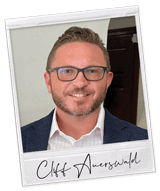 |
Cliff Auerswald, President of All Reverse Mortgage, Inc., and co-creator of ARLO™ — the industry's first real-time reverse mortgage pricing engine — has 27 years of experience in mortgage banking, with 20+ years focused exclusively on reverse mortgages. A recognized expert in reverse mortgage technology and consumer education, he has been featured in Kiplinger, Yahoo Finance, Realtor.com, and HousingWire. (License: NMLS# 14041) |
Reverse Mortgages in San Francisco, CA: High-Value Market Data & HECM Facts (2026)

 Michael G. Branson, CEO of All Reverse Mortgage, Inc. and moderator of ARLO™, has 45 years of experience in mortgage banking, with the past 20 years devoted exclusively to reverse mortgages. A Forbes Real Estate Council member, he has been featured in Forbes, Kiplinger, the LA Times, and Yahoo Finance. (License: NMLS #14040)
Cliff Auerswald, President of All Reverse Mortgage, Inc. and co-creator of ARLO™ — the industry's first real-time reverse mortgage pricing engine — has 27 years of experience in mortgage banking, with 20+ years focused exclusively on reverse mortgages. (License: NMLS #14041)
Michael G. Branson, CEO of All Reverse Mortgage, Inc. and moderator of ARLO™, has 45 years of experience in mortgage banking, with the past 20 years devoted exclusively to reverse mortgages. A Forbes Real Estate Council member, he has been featured in Forbes, Kiplinger, the LA Times, and Yahoo Finance. (License: NMLS #14040)
Cliff Auerswald, President of All Reverse Mortgage, Inc. and co-creator of ARLO™ — the industry's first real-time reverse mortgage pricing engine — has 27 years of experience in mortgage banking, with 20+ years focused exclusively on reverse mortgages. (License: NMLS #14041)
San Francisco Reverse Mortgage Market at a Glance

San Francisco Reverse Mortgage Facts (2026 Update)
| City | Homeowners Age 62+ | Reverse Mortgages Closed Last 12 Months | Lenders in San Francisco (est) | Avg. Home Value |
|---|---|---|---|---|
| San Francisco | 25,000 | 38 | 7 | $1,268,418 |
What the Numbers Tell Us About Reverse Mortgages in San Francisco
San Francisco is a consolidated city-county of approximately 870,000 residents occupying just 47 square miles at the tip of the San Francisco Peninsula. The city is home to some of the most valuable real estate in the country, with average home values well above the federal HECM lending limit of $1,249,125. From Victorian homes in the Haight to established family properties in the Sunset and Richmond districts, long-term homeowners have built deep equity over decades of ownership. A reverse mortgage allows these homeowners to access a portion of that equity without selling their home or giving up the city they love. For a personalized estimate based on your San Francisco home value and age, you can use our reverse mortgage calculator.
San Francisco homeowners who purchased in earlier decades, whether in the Sunset District in the 1960s, the Mission in the 1980s, or Noe Valley in the 1990s, have seen appreciation that has fundamentally transformed their net worth. Yet that wealth remains tied up in the home. For retirees on fixed incomes, the city’s high cost of living, property taxes, and healthcare expenses create real financial pressure.
How a Reverse Mortgage Works for San Francisco Homeowners
A reverse mortgage is a loan secured by your home that allows homeowners age 62 and older to convert a portion of their equity into tax-free funds without making monthly mortgage payments. The most common type is the Home Equity Conversion Mortgage (HECM), which is insured by the Federal Housing Administration and regulated by HUD.
The loan becomes due when the last borrower permanently leaves the home, whether through sale, relocation, or passing. Until then, borrowers retain full title and may continue living in the property as long as they meet standard obligations including property taxes, homeowners insurance, and home maintenance.
Common Uses in San Francisco
- Eliminating an existing mortgage payment — Reducing monthly fixed costs is particularly valuable in a city where property taxes and daily expenses are among the highest in the nation.
- Establishing a growing line of credit — A reverse mortgage line of credit serves as a strategic reserve for healthcare expenses, home maintenance, or long-term care planning.
- Supplementing retirement income — Long-term homeowners can access decades of accumulated equity without being forced to sell in one of the nation’s most competitive housing markets.
- Purchasing a new home in retirement — Some borrowers use a HECM for Purchase to relocate within the Bay Area without monthly mortgage payments.
San Francisco Reverse Mortgage Eligibility
| Requirement | Details |
|---|---|
| Age | 62 or older (at least one borrower) |
| Property Type | Primary residence — single-family, townhome, FHA-approved condo, or 2-4 unit (owner-occupied) |
| Equity | Sufficient equity in the home (typically 50% or more) |
| Counseling | Must complete a HUD-approved counseling session before application |
| Financial Assessment | Demonstrated ability to maintain property taxes, insurance, and home upkeep |
Understanding the Costs
Reverse mortgages carry upfront and ongoing costs that borrowers should understand before proceeding. These typically include an origination fee, FHA mortgage insurance premium (MIP), third-party closing costs, and interest that accrues over the life of the loan.
Because interest compounds over time, the loan balance grows, meaning more equity is used the longer the loan remains in place. This is an important consideration for homeowners who plan to leave the property to heirs or who may need to sell in the near term. A thorough review of the pros and cons is essential to making an informed decision.
Is a Reverse Mortgage Right for You?
A reverse mortgage is not the right solution for every homeowner. It works best for those who plan to remain in their home long-term, have substantial equity, and want to improve cash flow or eliminate existing mortgage payments during retirement.
It may not be ideal if you plan to move within a few years, want to preserve maximum equity for heirs, or are uncomfortable with a rising loan balance. Understanding how a reverse mortgage works from the outset helps ensure the decision aligns with your long-term goals.
HUD-approved counseling is a required step in the process, and for good reason: it provides an independent review of your financial situation and ensures you fully understand the terms before committing.
HUD-Approved Direct Lender Serving San Francisco
All Reverse Mortgage, Inc. (ARLO) is a HUD-approved direct lender specializing exclusively in reverse mortgages since 2004 and maintains an A+ rating with the Better Business Bureau. We are proud to be a HUD-approved California reverse mortgage lender.
Our leadership team was involved in the introduction of the first fixed-rate jumbo reverse mortgage in 2008, giving us deep experience across both FHA-insured HECM loans and proprietary programs. That breadth of experience is critical in San Francisco, where the majority of properties exceed the federal HECM limit and program selection between standard and proprietary options can make a substantial difference in available proceeds.
All Reverse Mortgage, Inc. is fully licensed by the California Department of Financial Protection and Innovation (License #DFPI #4131229). We invite you to compare our reviews, rates, and closing costs with those of any other lender.
Our California office
All Reverse Mortgage, Inc. (ARLO™)
2019 W Chapman Ave, Orange, CA 92868
View our Orange office and reviews on Google
Get a Reverse Mortgage Quote for Your San Francisco Home
Use our calculator to see real-time rate data based on your home’s current market value and your age.
Keep learning